Author name: Mind Boggling Studio

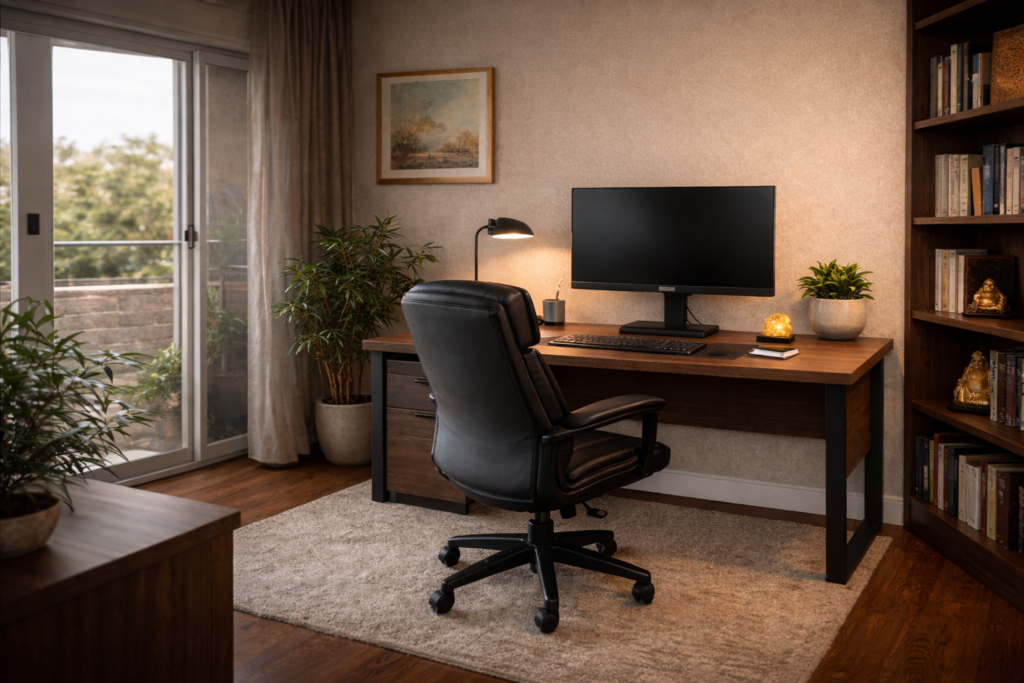
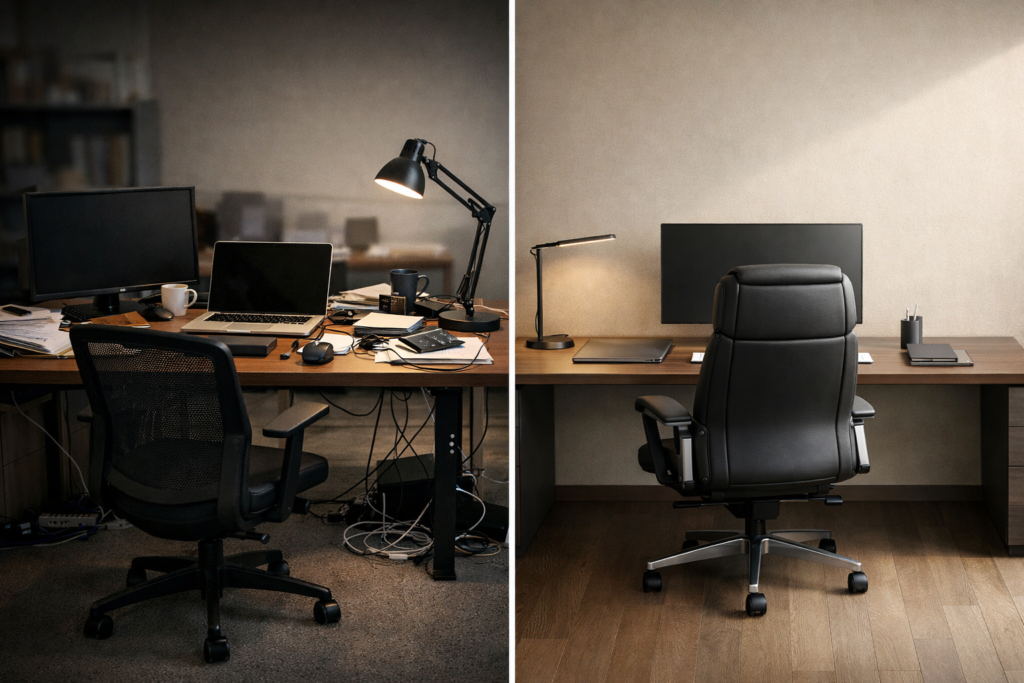
Visual clutter in home office increasing cognitive load compared to organized desk reducing decision fatigue remote work

The Invisible Script: How Environmental Psychology of Your Home Office Shapes Success

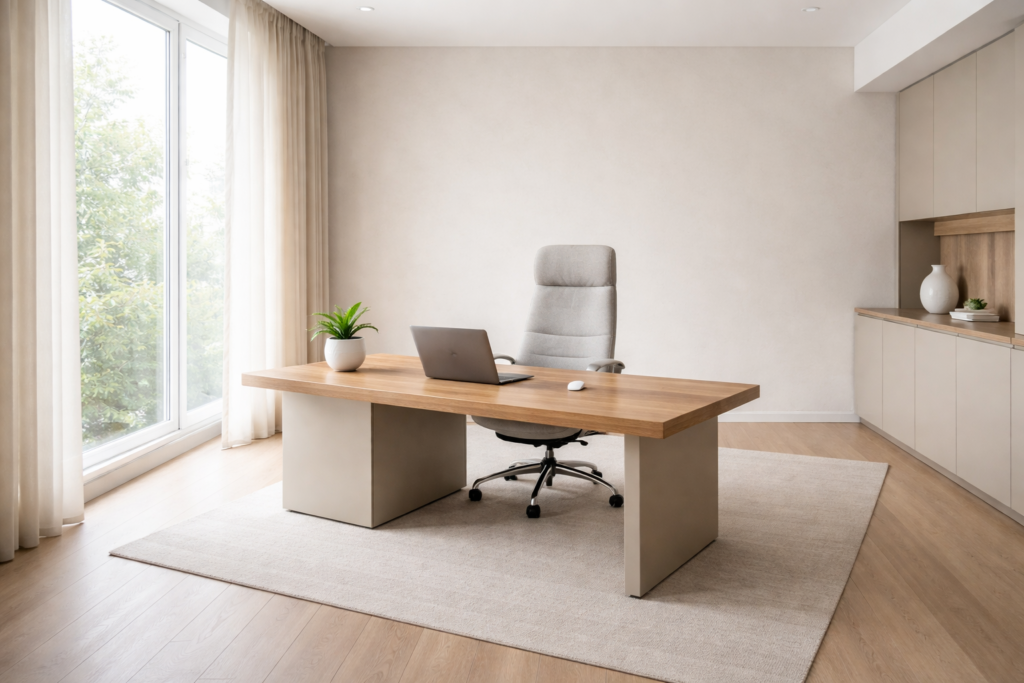
The Invisible Script: How Your Home Environment Shapes Your Habits and Decisions Environmental psychology of home office design explains why cluttered spaces increase decision fatigue in remote work. Your workspace creates spatial habits that either reduce cognitive load or drain executive focus. By applying neuroscience of spatial design, you convert your desk into a productivity system. The Hidden Cost of a Messy Desk You sit down to work. However, before you open a document, you adjust papers, move cables, and check your phone. This is not lack of discipline. It is environmental friction. In the environmental psychology of home office research field, physical space acts as behavioral architecture. Your desk sends constant visual cues. Because the brain processes every visible object, clutter increases cognitive load. As a result, energy leaks before meaningful work begins. Remote professionals experience this daily. Therefore, solving decision fatigue in remote work begins with spatial clarity, not motivation. Your workspace is either structured support. Or silent resistance. 🎁 [FREE DOWNLOAD] The 5-Minute Executive Office Audit Don’t just read—act. Download our neuroscience-backed checklist to identify the 5 “Invisible Scripts” in your office that are killing your productivity. Click Here to Download theThe 5-Minute Executive Office Audit PDF Checklist. DOWNLOAD NOW! How Environment Controls Habits: The Science of Choice Architecture Your environment automates behavior. Each object on your desk acts as a visual trigger. Because the brain seeks efficiency, it forms automated responses to repeated cues. For example, a visible phone triggers checking behavior. An open browser tab triggers distraction. Similarly, scattered documents trigger unfinished-task anxiety. These are spatial habits. According to behavioral economics, choice architecture influences decision pathways. When too many visual signals compete, the brain must filter constantly. That filtering consumes working memory. Working memory fuels executive thinking. Therefore, clutter reduces strategic capacity. High performers simplify inputs. Not because it looks minimal. But because it protects cognitive resources. The Cost of Visual Clutter on Executive Function Visual clutter competes for neural attention. The primary visual cortex scans everything in your field of view. Even when you ignore objects, your brain registers them. Because unfinished items represent unresolved tasks, they create subtle tension. Subtle tension increases stress hormones. While the effect is small, it accumulates across hours. As a result, the prefrontal cortex tires faster. The prefrontal cortex manages planning and financial judgment. Therefore, clutter indirectly impacts income quality. This is not superstition. It is neuro-architecture. The Neuroscience of Spatial Design: Wiring Your Brain for Wealth Feng Shui uses symbolic language. Neuroscience uses biological language. However, both describe environmental regulation. When layout feels unpredictable, the amygdala activates. The amygdala monitors threat. While your office is safe, your brain still scans for movement behind you or blocked sightlines. This scanning reduces executive clarity. However, when the desk faces the entrance and the back feels supported, the brain relaxes. Because the environment appears stable, survival vigilance decreases. As a result, strategic thinking improves. This is why spatial design affects income decisions. Income depends on judgment. Judgment depends on regulated attention. Attention depends on environmental calm. From “Tangled Qi” to Tangible ROI: The Psychology of Cable Management Loose cables fragment visual flow. Fragmentation increases perceptual stress. Because the brain prefers continuity, exposed wires create small disruptions in spatial coherence. Over time, these disruptions increase irritability and reduce focus stamina. Cable management solves this quietly. When wires are hidden, surfaces appear smooth. As a result, attention stabilizes. Less scanning. Less micro-stress. More endurance for deep work. This is the ROI of environment. Activate Your Success Anchors: The Psychology of Wealth Symbols To complete your office transformation, you must prime your subconscious mind for abundance. In environmental psychology, we use “Spatial Anchors” to trigger success-oriented mindsets: The Laughing Buddha (The Stress Transformer): Place this facing your entrance. It serves as a visual “Pattern Interrupter,” reminding your brain that wealth flows through joy, not struggle. [Check Price on Amazon] The Wealth Ship (The Opportunity Magnet): Position this “sailing” into your room. It creates a psychological “Inflow” bias, priming you to recognize new global opportunities. [Check Price on Amazon] Chinese Wealth Coins (The Legacy Anchor): Keep these near your computer or in your desk drawer to anchor your daily work to long-term financial goals. [Check Price on Amazon] Note: This article shares educational insights on environmental design and productivity. It does not replace professional advice. Product links may earn us a small commission. Essential Tools for a High-Performance Office To achieve a “Pass” on your productivity audit, these tools are non-negotiable for maintaining an executive-level environment: Minimalist Desk Organizers: Essential for eliminating visual clutter and stopping decision fatigue instantly. [Check out the top-rated Minimalist Organizers on Amazon] Pro Cable Management Kits: The fastest way to hide “Tangled Qi” and lower subconscious stress levels in your workspace. [View the best-selling Cable Management solutions here] High-Back Ergonomic Chairs: Provides the “Mountain Support” your nervous system requires for long-term confidence and focus. [Find the best Ergonomic Executive Chairs for your home office] Solving Decision Fatigue in Remote Work with Strategic Zoning Remote work blends roles. Without boundaries, the brain struggles to switch contexts. Therefore, decision fatigue in remote work increases. Instead, create defined zones. Deep Work Zone: Clear surface. Single monitor. No peripheral items.Admin Zone: Side desk or secondary corner.Creative Zone: Notebook and plant. Softer light. Because memory is context-dependent, location primes behavior. When you sit in the Deep Work Zone, your brain associates it with focused execution. Transitions become automatic. As a result, willpower lasts longer. The Command Position: Why Executives Sit Where They Do The Command Position aligns with subconscious safety. See the door. Avoid sitting directly in line with it. Have solid support behind you. When you can visually monitor entry points, the startle response reduces. Therefore, the amygdala relaxes. When your back feels supported, posture stabilizes. As a result, breathing improves. Improved breathing stabilizes vocal tone. Stable tone increases executive presence. This is how seating affects leadership confidence. Mastering Spatial Habits: A 7-Day Environmental Reset Change space. Behavior follows. This reset applies

Environmental Psychology, Feng Shui & Environmental Psychology, Home Office Optimization

The Invisible Script: How Environmental Psychology of Your Home Office Shapes Success Read Post »

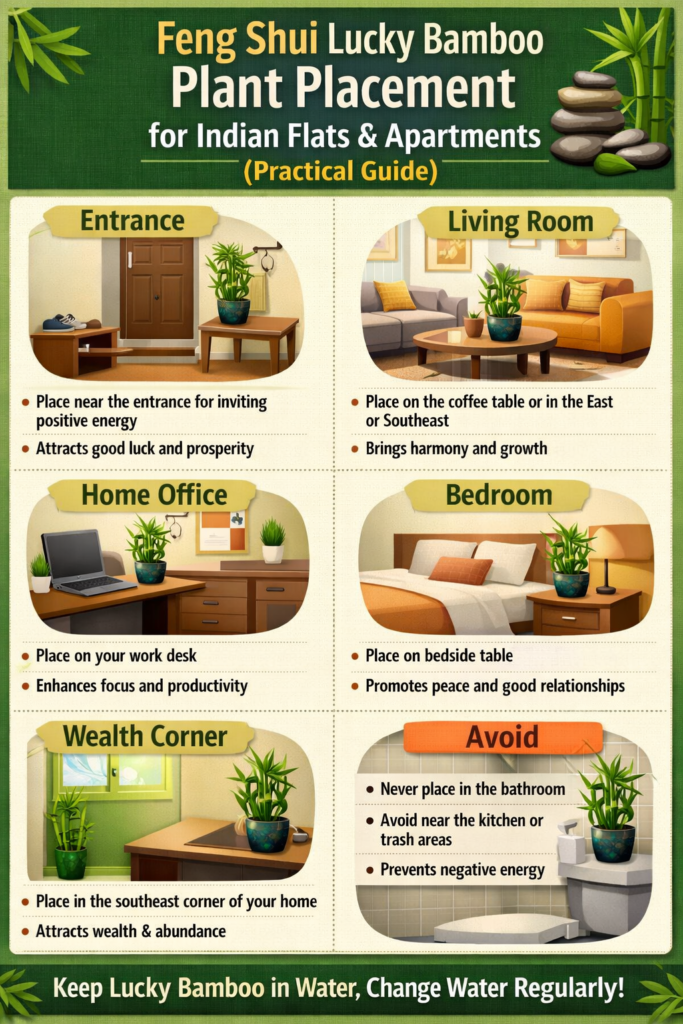
Infographic showing Feng Shui Lucky Bamboo placement guide for Indian apartments, including best locations for living room, home office, and wealth corner.

Feng Shui Money Tree Placement for Indian Flats and Apartments (Practical Guide)

Feng Shui Money Tree Placement for Indian Flats and Apartments (Practical Guide) Feng Shui money tree placement in Indian flats is less about ancient superstition and more about environmental psychology. In a compact urban apartment, your surroundings directly affect your focus, discipline, and financial behavior. In a typical Indian home, space is at a premium. Rooms are multipurpose, surfaces are often crowded, and visual “noise” is high. Because of this, placement matters more than the object itself. A money tree only works when it anchors your attention and reinforces consistent habits. Otherwise, it is just another piece of decor collecting dust. This guide provides a practical, no-nonsense blueprint for placing a money tree in modern Indian homes to maximize clarity and wealth focus. Money Plant vs. Money Tree: Which One Do You Need? In Indian households, the terms “Money Plant” and “Money Tree” are often used interchangeably, but in the world of Feng Shui and Vastu, they are distinct plants with different “vibes.” Choosing the right one depends on your apartment’s light levels and your specific goals. 1. The Money Plant (Epipremnum aureum) The Money Plant (Epipremnum aureum) Most Indians know this as the classic Pothos or Devil’s Ivy. The Look: A heart-shaped vine that climbs or hangs. The Symbolism: In Vastu, it is believed to bring long-lasting prosperity and filter negative energy. Its “creeping” nature symbolizes the expansion of wealth. Best For: Beginners. It is nearly impossible to kill and thrives in the humid, low-light corners of a 1BHK or 2BHK. 2. The Money Tree (Pachira Aquatica or Lucky Bamboo) Feng Shui Lucky Bamboo (Money Tree) In Feng Shui, the “Money Tree” usually refers to the Pachira (with its famous braided trunk) or Lucky Bamboo. The Look: The Pachira has a sturdy, woody stem with five leaves on each branch, representing the five elements. Lucky Bamboo is vertical, clean, and structured. The Symbolism: These are “active” wealth activators. The braided trunk of the Pachira is said to “trap” fortune within its folds, while the vertical growth of bamboo represents steady, upward career climbs. Best For: Career professionals and business owners looking for a “statement” piece to anchor their wealth corner. 👉 Explore this Feng Shui support item The Key Difference The Money Plant is about protection and steady flow, making it ideal for the living room. The Money Tree (Pachira/Bamboo) is about intentional growth and accumulation, making it the perfect choice for your office desk or workspace. Pro-Tip: If your flat is small, start with Lucky Bamboo. It provides the “Tree” energy without taking up the floor space required by a climbing Money Plant. Choosing the Best Money Tree for Indian Homes: Lucky Bamboo vs. Pachira Why Lucky Bamboo wins for Indian apartments: It handles the humidity of Indian monsoons. It thrives in the “low-light” corners common in 1BHK and 2BHK layouts. It requires minimal maintenance for a busy professional. Why Placement is Critical in Compact Apartments Indian flats create a high mental load. Between shared storage and small rooms, the brain is constantly processing clutter. When a growth symbol is placed incorrectly, the brain categorizes it as “mess,” leading to: Decision Fatigue: Too many things in your line of sight. Stagnant Energy: Dust and clutter around a plant symbolize neglected finances. Correct placement, however, reinforces order, stability, and long-term thinking. Best Lucky Bamboo Placement for Wealth India 1. The Living Room: Creating a Wealth Awareness Zone In most Indian homes, the living room is the “face” of the house. Best Spot: The Southeast corner of the living room is traditionally associated with wealth. If that’s blocked, choose a corner with soft, natural light. The Goal: Place it on a stable surface (like a side table) where it is visible but not in the way of daily chores. Avoid: Placing it near shoe racks or under heavy overhead lofts/storage beams, which symbolize “pressure” on your growth. 2. The Home Office or Study Desk: Anchoring Growth Mindset If you are a freelancer or a remote worker in India, your desk is your primary wealth generator. Best Spot: The top-right corner of your desk. The Goal: It acts as a “visual anchor,” reminding you of your growth goals during stressful work hours. Avoid: A cluttered desk. If the plant is surrounded by old bills and trash, it symbolizes “drowning in debt.” 3. The East Window (For Growth & Family Health) If your flat has a balcony or window facing East, placing your money tree here allows it to soak up the morning “Prana” or energy, which is highly auspicious in both Vastu and Feng Shui. Where NOT to Place a Money Tree (Common Mistakes) Avoid these common errors found in many Indian households: The Kitchen: The “Fire” element of the stove clashes with the “Wood” element of the plant. It can lead to “burnt” finances. The Bathroom: Wealth is symbolized by water, and you don’t want your wealth “flushed away.” The Floor: Never place a wealth symbol directly on the floor. It shows a lack of respect for your financial goals. Always elevate it on a stand or table. On Top of Electronics: Avoid placing plants on top of the fridge, microwave, or Wi-Fi router. The heat and vibration disrupt the plant’s “Qi” (energy). Feng Shui Lucky Bamboo Plant Choosing the Best Money Tree for Indian Homes Lucky Bamboo is commonly used to reinforce steady progress, discipline, and upward momentum in work environments. It acts as a living reminder of consistency rather than urgency. From a psychological standpoint, plants in workspaces improve attention and reduce mental fatigue, supporting better long-term productivity and follow-through. 👉 Explore this Feng Shui support item Common Mistakes Indian Homes Make Using too many symbols together Treating Feng Shui as decoration Ignoring clutter around the plant Copying large house layouts Feng Shui must adapt to Indian living reality, not Instagram homes. Vastu vs. Feng Shui: Can They Coexist? Many Indian homeowners worry about the conflict between Vastu and Feng Shui. The Practical Harmony: Both systems agree

Feng Shui · Wealth & Focus, Feng Shui & Environmental Psychology, Feng Shui for Indian Homes, Uncategorized

Feng Shui Money Tree Placement for Indian Flats and Apartments (Practical Guide) Read Post »

Illustration showing how forced manifestation and toxic positivity can create mental pressure and subconscious resistance

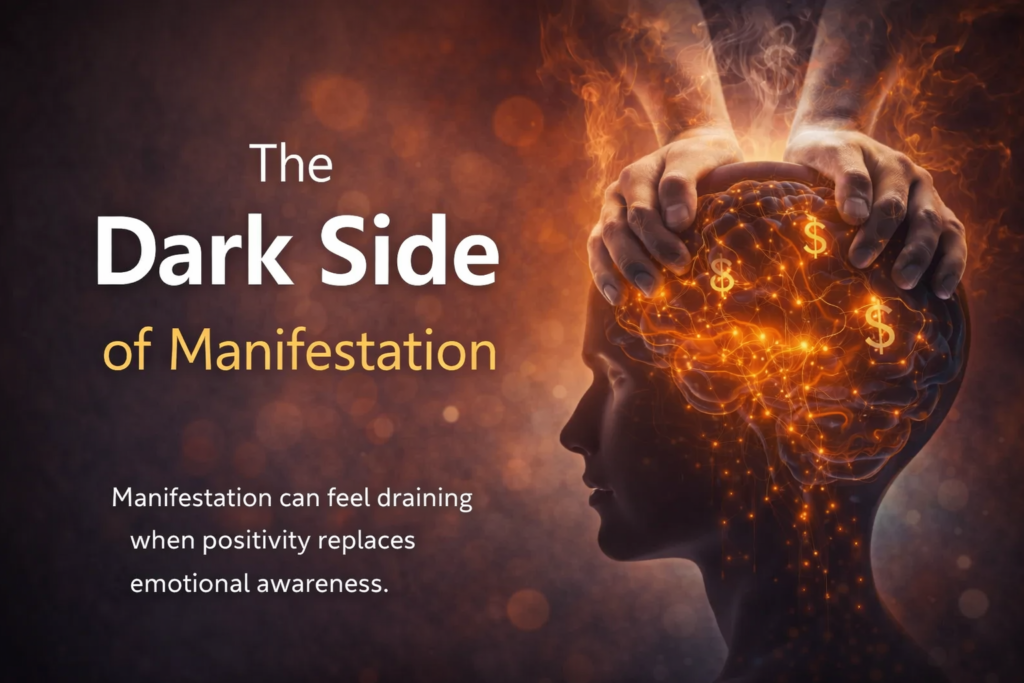
The Dark Side of Manifestation Nobody Talks About

The Dark Side of Manifestation Nobody Talks About When Positivity Becomes Pressure Manifestation is often framed as uplifting. Think positively.Visualize clearly.Stay aligned. Yet for many people, the experience feels different. Instead of relief, there is pressure.Instead of clarity, there is self-monitoring.Instead of progress, there is guilt. When outcomes do not change, people assume the problem is effort. They weren’t positive enough.They didn’t believe hard enough.They let doubt “ruin” the process. This narrative hides an uncomfortable truth. Some manifestation practices can increase inner tension instead of resolving it. Understanding why requires looking at what happens beneath intention—where emotion, identity, and safety intersect. When Positivity Turns Into Suppression Positive thinking often gets confused with emotional regulation. They are not the same. Regulation allows emotions to move.Suppression forces them down. When people avoid acknowledging fear, frustration, or doubt, the mind does not reset. It stores the signal. Over time, this creates internal conflict. One part of the mind repeats positive language.Another part holds unresolved emotion. That split drains energy. This is why some people feel exhausted after “staying positive.” Not because positivity is harmful.But because suppression requires effort. Why the Mind Resists Forced Optimism The brain prioritizes safety over optimism. Familiar emotional patterns feel predictable.Predictability feels safe. When forced optimism conflicts with lived experience, the mind reacts. It creates doubt.It generates resistance.It disengages. This response is not sabotage. It is protection. The subconscious does not evaluate truth through language alone.It evaluates coherence. When words contradict emotional memory, friction appears. Manifestation and Identity Conflict Manifestation works through identity. Not desire. When someone visualizes outcomes that feel incompatible with their current self-image, the mind hesitates. That hesitation shows up as: Procrastination Inconsistency Self-questioning The issue is not belief. It is mismatch. Until identity feels safe expanding, effort alone rarely creates change. Why Effort Can Backfire Trying harder seems logical. In psychological systems, effort often increases resistance. This happens when: The mind feels monitored Emotional states feel judged Failure feels personal Pressure narrows attention. Narrow attention reduces flexibility. Flexibility matters for change. This explains why relaxed repetition often outperforms forced discipline. What Actually Supports Change Change becomes easier when pressure decreases. Helpful conditions include: Emotional neutrality Reduced self-judgment Repetition without urgency Awareness replaces control. Instead of forcing outcomes, the focus shifts to noticing patterns. That shift creates space. In that space, behavior adjusts naturally. How This Connects to Mental State Mental state determines receptivity. High alert states amplify analysis.Calmer states reduce resistance. This distinction explains why some approaches feel effortless while others feel draining. State comes before suggestion. This principle connects directly to: Subconscious learning Habit formation Long-term behavior change Next Steps: Curiosity Over Control Manifestation does not fail because people doubt. It stalls when pressure replaces curiosity. Awareness softens resistance.Safety allows patterns to update. If this perspective resonates, deepen the context before doing anything else. → Read how brainwave entrainment supports subconscious money shifts And when you want to see how this awareness translates into real-world support— → Browse the Money Tools Overview Progress begins where pressure ends. Frequently Asked Questions Is positivity bad for manifestation?No. Positivity helps when it supports awareness rather than suppressing emotion. Why does forcing belief feel exhausting?Because effort without emotional alignment creates internal conflict. Disclaimer: This article is for educational and informational purposes only. It does not replace professional psychological or medical advice.

Mindset & Subconscious Psychology

The Dark Side of Manifestation Nobody Talks About Read Post »

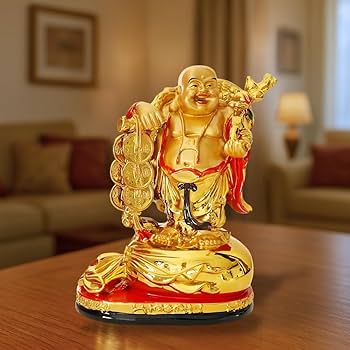
Laughing Buddha placed in an Indian living room to support calm focus and wealth-supportive decision making through feng shui placement.

Laughing Buddha Placement for Wealth in Indian Living Rooms

Laughing Buddha Placement for Wealth in Indian Living Rooms Laughing Buddha placement for wealth in Indian living rooms is often misunderstood as a ritual or belief-based practice. In reality, it works through something far more practical. Your living room shapes how your mind responds to money, pressure, and daily decisions. In Indian homes, the living room is not decorative space.It is a decision space. Family discussions happen here.Planning happens here.Financial conversations happen here. That is why placement matters more than symbolism. This guide explains how to place a Laughing Buddha in an Indian living room without superstition, using principles of environmental psychology, attention regulation, and emotional stability. Why the Living Room Matters for Wealth in Indian Homes Indian living rooms carry more cognitive load than most spaces. They are often: Compact Multi-purpose Visually dense Television.Storage.Decor.Visitors.Movement. When too many visual signals compete, the brain stays alert. Alert brains make reactive financial decisions. Not bad ones.But inconsistent ones. Feng Shui works here by reducing mental friction, not by promising money. What the Laughing Buddha Actually Does (Psychology, Not Myth) The Laughing Buddha does not “attract wealth.” It acts as a visual emotional cue. Joyful facial expressions reduce threat perception.Rounded forms reduce mental sharpness and stress.Warm metallic tones signal safety and abundance. When your eyes repeatedly land on a calm, joyful object: Stress softens Decision fatigue lowers Patience increases These are the real foundations of wealth behavior. Best Placement for Laughing Buddha in Indian Living Rooms Placement should support calm visibility, not attention grabbing. Ideal Locations On a side console or shelf, not the center table At eye or chest height, never on the floor In a low-traffic corner with clear space around it The Buddha should be seen, not passed repeatedly. High movement zones fragment attention. Direction Matters (But Not the Way You Think) Facing direction is about psychological orientation, not energy flow. Best Direction Facing into the room Facing the main seating area This creates a sense of: Welcome Stability Emotional openness Avoid facing walls or storage units. Blocked views create subconscious resistance. For the full framework on how space influences money habits and decision quality, read: 👉 Feng Shui for Wealth & Focus: How Your Space Shapes Money, Work, and Opportunity What to Avoid (Common Indian Living Room Mistakes) Most placements fail because of context, not the object. Avoid placing the Laughing Buddha: Near shoe racks Near televisions Above cluttered cabinets Near bills, documents, or unpaid notices These pair joy with stress. The brain remembers the stress more than the symbol. Size and Material: What Works Best in Indian Homes Bigger is not better. Indian homes benefit from moderate scale. Best Choices Brass or resin (warm, grounding) Simple design Minimal detailing Overly ornate statues create visual noise. Noise cancels effect. How One Placement Supports Wealth Behavior Over Time Wealth grows through: Consistency Emotional regulation Long-term thinking A correctly placed Laughing Buddha supports these by: Reducing financial anxiety Softening urgency Reinforcing calm identity It works quietly, through repetition. A Calm Supportive Option (Optional) For those who choose to use one, neutral designs work best in Indian living rooms. 👉 Explore a simple Laughing Buddha support item here Feng Shui Laughing Buddha  The Laughing Buddha represents contentment, optimism, and emotional abundance. In Feng Shui, it is associated with easing financial anxiety and reinforcing a positive relationship with success. From a behavioral perspective, symbols of joy reduce stress-driven decision making, helping the mind approach work and opportunity with calm confidence. 👉 Explore this Feng Shui support item How This Fits Into a Larger Wealth-Supportive Home The Laughing Buddha works best when paired with: Clear surfaces Balanced lighting Reduced clutter It should not be your only symbol. It should be part of a calm environment system. Internal Navigation (Recommended Next Reads) Where to Place Feng Shui Money Frog in Indian Homes Feng Shui Coins Placement for Money Discipline Wealth Bowl Placement for Home and Office Final Thought In Indian living rooms, wealth is influenced less by beliefand more by how calm decisions are made daily. The Laughing Buddha supports wealth not by magic,but by reducing the internal tension that blocks consistency. That is its real power. Affiliate Disclosure  Some links on this page may be affiliate links.If you choose to make a purchase through them, I may earn a small commission at no extra cost to you.All recommendations are optional and chosen to support clarity, focus, and intentional space design. Disclaimer This article is for educational purposes only and reflects principles of environmental psychology and emotional regulation.It does not replace financial, medical, or mental health advice.Always consult qualified professionals for personal concerns. Frequently Asked Questions: Laughing Buddha Placement in Indian Living Rooms 1. Where should I place a Laughing Buddha in an Indian living room for wealth?The best placement is in the living room, at eye level, on a clean shelf or console where it is easily visible. This placement works as a visual anchor that supports emotional balance, calm thinking, and consistent financial decision-making. Avoid placing it on the floor or in crowded areas. 2. Can Laughing Buddha be placed facing the main door in Indian homes?Yes. In many Indian households, placing the Laughing Buddha facing the main door is considered supportive. Psychologically, this creates a welcoming visual cue that helps the mind shift from external stress to internal calm when entering the home. 3. Is it okay to place a Laughing Buddha near a TV or electronics?It is better to keep the Laughing Buddha slightly away from televisions or heavy electronics. Constant visual stimulation increases mental noise. A calmer corner of the living room allows the symbol to reinforce relaxation and focus more effectively. 4. Does Laughing Buddha really attract wealth, or is it superstition?Laughing Buddha does not magically attract money. Its value lies in how it influences emotional regulation. A calm, positive visual symbol can reduce stress-driven decisions, which indirectly supports better financial habits and consistency. 5. Where should Laughing Buddha not be placed in Indian homes?Avoid placing the Laughing

Feng Shui · Wealth & Focus, Feng Shui & Environmental Psychology, Feng Shui for Indian Homes, Money & Focus Habits

Laughing Buddha Placement for Wealth in Indian Living Rooms Read Post »

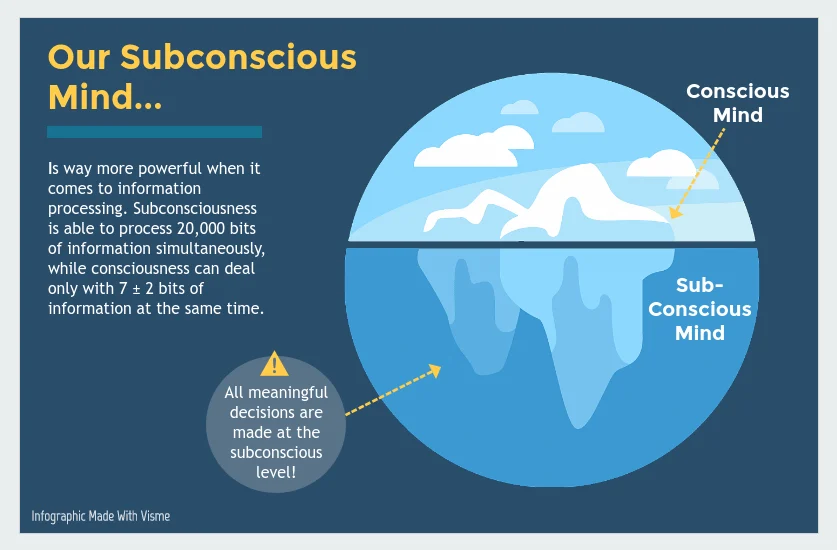
comparison of subliminals and affirmations showing how each interacts with conscious resistance and the subconscious mind

Subliminals vs Affirmations: Why One Bypasses Resistance

Subliminals vs Affirmations: Why One Bypasses Resistance Changing internal patterns is rarely about effort alone. Most people encounter resistance long before results appear.Not because the method is wrong.But because the mind protects what feels familiar. Subliminals and affirmations are often grouped together.They are not the same. Both aim to support subconscious change.Yet they interact with the mind in very different ways. Understanding that difference matters.Especially when consistency feels difficult. What Are Subliminals? Subliminals are forms of input presented below conscious awareness. They may appear as audio layered beneath music, tones, or ambient sound.The message is not consciously analyzed. This is intentional. The subconscious processes patterns continuously.It does not require logical agreement to register repetition. Subliminals are commonly used in passive states. While resting During background listening Before sleep Because attention is not required, effort remains low. This lowers friction. Instead of actively repeating a message, the listener allows repetition to occur naturally.The nervous system remains relaxed. Over time, familiarity replaces resistance. Consistency matters more than intensity here.Short, repeated exposure tends to be more sustainable than long sessions. Subliminals are not about forcing belief.They are about reducing interference. What Are Affirmations? Affirmations rely on language. They are consciously repeated statements intended to reinforce a desired belief or identity. This process requires engagement. Attention Focus Emotional alignment When these conditions are present, affirmations can feel supportive. But language also activates self-monitoring. The conscious mind evaluates meaning.It checks for accuracy. If a statement conflicts with existing assumptions, tension can appear. This does not mean affirmations are ineffective.It means timing and state matter. Affirmations ask the mind to participate.That participation can become effortful when the nervous system is stressed. Fatigue often follows. Repetition alone is not always enough.State determines reception. Why Affirmations Often Trigger Resistance Resistance is not a flaw. It is a protective function. The brain prioritizes stability over change.Even when current patterns are limiting. When affirmations challenge identity, the mind responds defensively. This can show up as: Discomfort Doubt Mental pushback Emotional memory plays a role. If past experiences contradict the statement, the mind flags it as unsafe.Logic does not override this automatically. Effort increases.Progress feels slow. This is why discipline alone often fails. Resistance signals misalignment between message and state.Not a lack of willpower. How Subliminals Bypass the Critical Filter The critical filter evaluates information consciously. When attention is lowered, this filter relaxes. Subliminals take advantage of this window. Instead of confronting belief directly, they work indirectly.Repetition occurs without debate. This process is closely related to the concept of brainwave entrainment, where rhythmic input influences mental state before new patterns are introduced.When the nervous system is calm, the mind becomes more receptive. Familiarity increases safety. No argument is required. Subliminals do not convince.They normalize. This is why they are often used at night or during relaxed states.Effort drops away. When Affirmations Still Work Best Affirmations are not obsolete. They work best under specific conditions. When the nervous system feels regulated When language feels believable When statements are gradual Bridge phrasing helps. Instead of forcing certainty, affirmations can allow openness. Timing matters. Affirmations introduced after relaxation tend to feel lighter.They integrate more easily. Used alongside audio tools, they often feel less draining.Supportive rather than demanding. Choosing the Right Method for You There is no universal answer. The best method is the one you can maintain. Consider these factors: Active vs passiveDo you prefer engagement or background input? Day vs nightAre you more consistent when relaxed? Effort toleranceDoes repetition feel energizing or exhausting? ConsistencyWhich method fits naturally into your routine? Many people combine these approaches within structured subconscious audio programs designed to reduce resistance while supporting repetition. Sustainability determines speed.Not intensity. Conclusion Resistance is not a sign to stop. It is a sign to adjust approach. Affirmations rely on conscious participation.Subliminals reduce the need for it. Neither method is inherently better.But one may feel easier to live with. When effort decreases, consistency improves.And consistency is what creates change over time. Disclaimer This content is for educational and informational purposes only.Subliminal audio and affirmations are not medical or psychological treatments.Individual experiences may vary, and no outcomes are guaranteed. Affiliate Disclosure Some links on this page may be affiliate links.If you choose to purchase through these links, the site may earn a commission at no additional cost to you.

Mindset & Subconscious Rewiring

Subliminals vs Affirmations: Why One Bypasses Resistance Read Post »

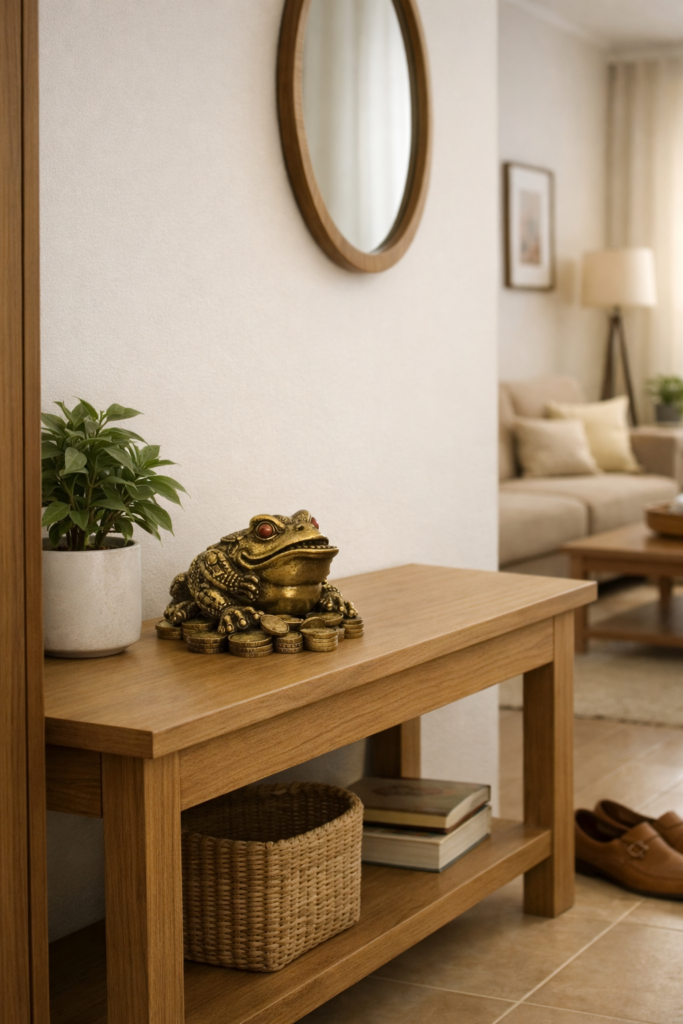
Feng Shui money frog placed neatly in an Indian home living space to support money discipline and financial focus

Where to Place Feng Shui Money Frog in Indian Homes (Practical Guide)

Where to Place Feng Shui Money Frog in Indian Homes (Practical Guide) In Indian homes, money stress rarely comes from lack of effort.It comes from mental overload. That is why where to place a Feng Shui money frog in Indian homes matters more than the object itself. This guide is not about luck.It is about attention, habits, and financial discipline—designed for flats, apartments, and compact Indian living spaces. No superstition.Only practical placement. If you want the broader framework behind how environment shapes money behavior, read the main guide here:👉 Feng Shui for Wealth & Focus: How Your Space Shapes Money, Work, and Opportunity Why Placement Matters More in Indian Homes   Indian homes are visually dense. Rooms serve many purposes.Storage is everywhere.Movement paths are tight. Because of this, the brain processes Indian homes with higher cognitive load. As a result: Focus drops faster Decisions feel heavier Money discipline weakens Feng Shui placement works when it reduces visual noise and reinforces intention. The money frog is one such anchor—when used correctly. What the Money Frog Actually Represents   The Feng Shui money frog does not attract money. Instead, it works as a behavioral cue. It represents: Awareness of cash flow Consistency in saving Respect for money decisions In psychology, this is called cue-based habit reinforcement. However, when placed incorrectly, the frog becomes background clutter—and loses impact. Best Places to Keep a Money Frog in Indian Homes   1. Near the Main Entrance (Inside, Not Outside) This is the most effective placement for Indian flats. Why it works: Entryways mark mental transitions The brain shifts from “outside stress” to “home safety” Place the frog: Just inside the main door On a low shelf or console Facing inward, not outward Avoid shoe piles or delivery clutter nearby. Result:A subtle reminder to protect and manage money, not chase it. 2. Living Room – Calm Corner Placement   Living rooms in Indian homes are decision zones. Family talks happen here.Planning happens here. Place the money frog: In a quiet corner On a stable surface Away from TV units or loud decor Keep the area clean. This placement supports: Clear discussions Reduced financial anxiety Better long-term thinking 3. Home Office or Study (Inside Storage)   For work-from-home professionals, this is powerful. However, the frog should not sit openly on the desk. Better placement: Inside a drawer Inside a cabinet Near planners or financial files This keeps the cue private and intentional. As a result, money decisions feel calmer and more deliberate. Where NOT to Place the Money Frog (Very Important)   Incorrect placement weakens its effect. Avoid these areas: ❌ Kitchen This is a consumption zone.Money cues here create mental conflict. ❌ Bedroom The brain needs rest here.Money symbols increase alertness. ❌ Bathroom Symbolically and psychologically draining. ❌ High-Traffic Walkways Constant movement breaks focus and intention. In Indian homes, traffic zones are already overstimulating. Feng Shui Money Frog Feng Shui Money Frog (Indian Homes – Subtle Placement) A Feng Shui money frog is commonly used in Indian homes as a visual cue for money awareness and discipline, not as a decoration. For Indian flats and apartments, a compact resin or brass money frog works best.It fits easily in: Living room shelves Entryway cabinets Work desks (inside drawers) From a psychological perspective, small, intentional symbols are more effective than large, attention-grabbing objects. They reinforce consistency without adding visual noise. 👉 Explore a simple Feng Shui money frog suitable for Indian homes Money Frog Placement for Flats & Apartments (India-Specific)   In 1 BHK and 2 BHK flats, space is limited. So placement must be subtle. Use these rules: One frog only One placement only Hidden is better than decorative Less visual clutter = stronger impact. Common Money Frog Mistakes Indians Make   These mistakes are very common. Using multiple frogs Treating it as decor Placing it with other symbols Ignoring clutter around it Feng Shui works best when minimal. One cue.One intention.One place. Does the Money Frog Really Help With Wealth?   Not directly. It helps by: Reducing money anxiety Reinforcing saving habits Improving decision clarity Over time, these behaviors compound. That is how results appear. How to Use This Guide Practically   Start small. Today, do just one thing: Choose one placement Clear the area Place the frog intentionally Observe how your relationship with money feels over the next week. That awareness is the real shift. Internal Navigation (Next Reads) This fits into the broader Feng Shui for wealth and focus framework Laughing Buddha Placement for Wealth in Indian Living Rooms Feng Shui Coins Placement for Money Discipline Where to Place a Wealth Bowl at Home or Office for Best Results Feng Shui Tips for Small Indian Apartments Frequently Asked Questions   1. Can I keep the money frog if I follow Vastu? Yes.Vastu defines structure.Feng Shui refines behavior inside that structure. They work together.   2. Should the money frog face inside or outside? Inside.Facing inward reinforces retention, not chasing.   3. How many money frogs should I use? One.More than one creates visual noise.   4. Can I place it openly on my desk? Better inside a drawer.Private cues work stronger for habits.   5. Is belief required for Feng Shui to work? No.Behavioral cues work even without belief. Affiliate Disclosure Some links on this page may be affiliate links.If you choose to make a purchase through them, I may earn a small commission—at no extra cost to you. All recommendations are optional and focused on clarity, not promises. Disclaimer This content is for educational purposes only.It does not replace financial, medical, or psychological advice. If financial stress or anxiety is severe or persistent, seek professional support.

Feng Shui · Wealth & Focus, Feng Shui for Indian Homes

Where to Place Feng Shui Money Frog in Indian Homes (Practical Guide) Read Post »

Feng Shui for Indian homes showing practical placement of wealth symbols like Laughing Buddha, coins, and plants in a calm living space

Feng Shui for Indian Homes: Practical Placement, Not Superstition

Feng Shui for Indian Homes: Practical Placement, Not Superstition Feng Shui for Indian homes is often misunderstood as belief, ritual, or superstition.In reality, it is about how physical space influences attention, stress, and decision-making—especially in the way Indian homes are built and used. If you are looking for the true Feng Shui meaning, it goes beyond simple home decor. Feng Shui is the ancient practice of organizing your living space to influence your mental state and decision-making. In modern Indian apartments, it serves as a ‘remedy’ for high-stress urban living by ensuring your environment supports your goals. In Indian households, space is rarely neutral. Rooms serve multiple purposes.Homes are compact.Daily life is busy, emotional, and mentally demanding. Because of this, placement matters more than philosophy. This guide focuses on practical Feng Shui placement for Indian homes, without blind belief, rituals, or exaggerated promises.Only what supports clarity, stability, and consistent action. If you want the full framework behind how environment shapes money habits, focus, and decision-making,you can read the complete guide here: 👉 Feng Shui for Wealth & Focus: How Your Space Shapes Money, Work, and Opportunity Why Feng Shui  for Indian Homes Works Differently.   Indian homes are structurally different from Western homes. Smaller rooms.Shared spaces.Multi-use furniture.High visual density. Because of this, the brain processes Indian living spaces with higher cognitive load. When the environment feels crowded or chaotic, the nervous system stays alert.That directly affects: Focus Financial discipline Emotional regulation Decision fatigue Feng Shui, when applied correctly, reduces environmental friction. Not by belief.But by simplifying visual input and reinforcing stability cues. Feng Shui vs Vastu in Indian Homes (Without Conflict)   Many Indian readers ask one question: “Should I follow Feng Shui or Vastu?” The answer is not either/or. Vastu focuses on directional harmony and traditional spatial rules.Feng Shui focuses on how space affects the human mind. They overlap naturally. In Indian homes, Feng Shui works best when used as: A behavioral layer A mental clarity system A placement-based support, not a replacement for Vastu You do not need to reject Vastu to use Feng Shui.You simply apply Feng Shui inside the structure you already have. High-Impact Feng Shui Zones in Indian Homes   You do not need to fix the entire house. Start with zones that directly affect money, work, and stability. 1. Entrance Area (Mental Reset Zone)   The entrance is the first signal your brain receives when you come home. If this area is cluttered, dark, or chaotic, the mind never fully relaxes. Common Indian mistakes: Shoes scattered Old bills or delivery boxes Broken decor items What helps: The Fix: Clear floor space Soft lighting One stable visual object (not many) The Result: Immediate emotional reset after a commute in Indian traffic. 2. Living Room (Decision & Interaction Zone)   In Indian homes, the living room is not just for guests.It is where conversations, planning, and family decisions happen. Overcrowded decor increases mental noise. Better approach: Fewer, meaningful objects Clear sightlines Balanced symmetry The Result: Calmer discussions and clearer long-term thinking. 3. Bedroom (Recovery & Stability Zone)   Money discipline requires rest. A restless bedroom creates emotional volatility. Common issues: Excess mirrors Storage overload Work items near the bed Feng Shui here focuses on removing stimulation, not adding symbols. Calm bedroom = stable nervous system = better long-term decisions. 4. Workspace / Study Area (Income Zone)   This is the highest-intent zone for Feng Shui in India. A cluttered workspace increases cognitive load.That makes focus harder and decisions draining. Key principles: Clear desk surface Good lighting One or two grounding objects only This directly affects productivity and income consistency. Feng Shui Wealth Symbols (Used Correctly in Indian Homes)   Symbols do not “attract money”. They act as visual anchors. When placed intentionally, they reinforce focus, discipline, and emotional balance. Below are commonly searched Feng Shui items in India, used correctly. Laughing Buddha (Emotional Stability)   Popular in Indian homes for a reason. When placed correctly, it reduces financial anxiety and emotional pressure. Best used in: Living rooms Calm corners Open shelves Avoid placing near clutter or aggressive visuals. Feng Shui Laughing Buddha (Hotei with Gold) The Laughing Buddha represents contentment, optimism, and emotional abundance. In Feng Shui, it is associated with easing financial anxiety and reinforcing a positive relationship with success. From a behavioral perspective, symbols of joy reduce stress-driven decision making, helping the mind approach work and opportunity with calm confidence. 👉 Explore this Feng Shui support item Feng Shui Coins (Discipline & Consistency) Chinese coins tied with a red thread are widely searched in India. They work best as habit cues, not decorations. Effective placements: Inside wallets Desk drawers Near work planners They reinforce consistency, not luck. Placement matters more than symbolism. If you want a clear, room-by-room explanation for Indian homes, read: 👉 Laughing Buddha Placement for Wealth in Indian Living Rooms Feng Shui Chinese Coins   Feng Shui Coins (Discipline & Consistency) Supports money discipline and consistency through subtle visual cues.Best placed in wallets or work drawers where financial decisions happen. Simple placement Inside a wallet or purse In a desk drawer near work or planning tools Best kept subtle, not decorative. 👉 Explore the Feng shui Support Item Wealth Bowl (Focus Anchor)   A wealth bowl is a visual reminder of order and intention. It works when: Placed in low-traffic areas Kept clean and intentional Not treated as a display item High-traffic placement weakens its effect. Feng Shui Wealth Bowl (Symbol of Accumulation and Stability) The Feng Shui Wealth Bowl is a symbolic reminder of accumulation, preparedness, and long-term financial thinking. Traditionally, it represents stored value rather than quick gain. From a psychological standpoint, visible symbols of abundance reinforce saving behavior, patience, and consistency — traits strongly associated with financial stability. The Wealth Bowl is often used incorrectly or overfilled without intention. What goes inside, where it is placed, and how often it is refreshed determine whether it reinforces prosperity — or becomes visual clutter. 👉 Explore this Feng Shui support

Feng Shui & Environmental Psychology, Feng Shui for Indian Homes, Money & Focus Habits

Feng Shui for Indian Homes: Practical Placement, Not Superstition Read Post »

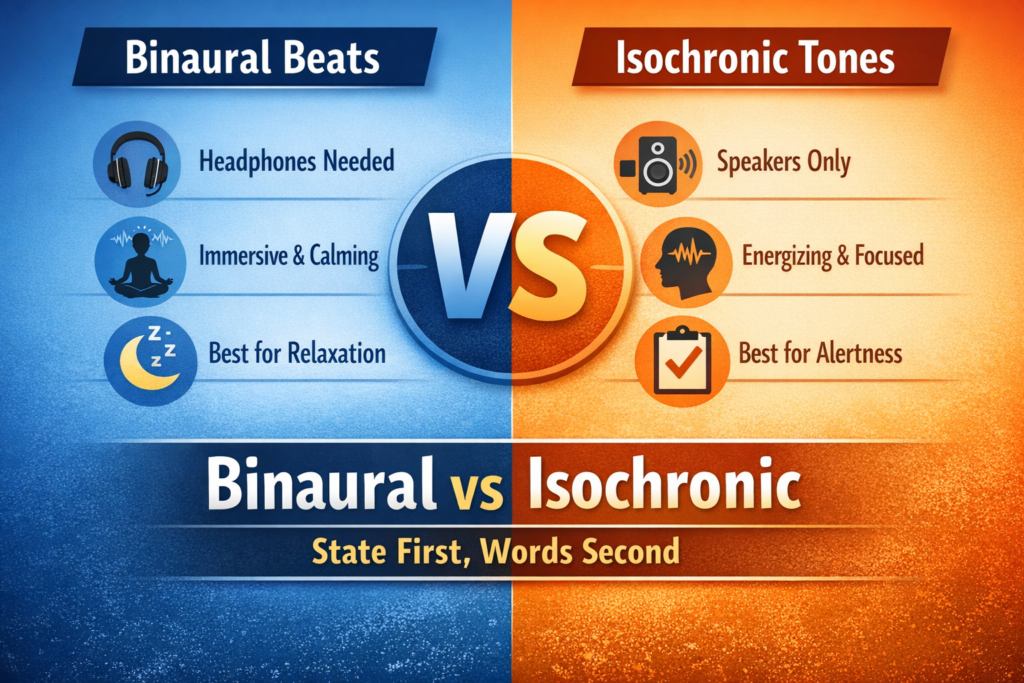
comparison of binaural beats and isochronic tones for brainwave entrainment

Binaural Beats vs Isochronic Tones for Wealth Focus

Binaural Beats vs Isochronic Tones: Which Works Faster for Wealth? Binaural beats and isochronic tones are often grouped together.But they work in very different ways. Both are used to influence focus, mental state, and repetition.Yet the brain responds to each one differently. Speed is not about intensity.It’s about how easily the method fits into your routine. Understanding this difference makes choosing simpler—and more sustainable. What Are Binaural Beats? Binaural beats work through immersion. Two slightly different frequencies play through each ear.The brain processes the difference. That difference creates a perceived rhythmic pattern. This pattern influences mental state. Because each ear receives a separate signal, headphones are required. Many people describe binaural beats as: Calming Absorbing Subtle They tend to support longer listening sessions. Especially during: Relaxation Meditation Sleep preparation What Are Isochronic Tones? Isochronic tones work through direct stimulation. A single tone pulses on and off at a regular rhythm.The brain synchronizes with that pulse. No headphones are required. The sound is more pronounced.The effect is often faster. Many users describe isochronic tones as: Energizing Focus-enhancing More noticeable They are commonly used during: Daytime focus Short sessions Task-oriented work This response is explained by the principles of brainwave entrainment, where rhythmic input influences mental state over time. Curious about the mechanism behind this shift? The following article may help you:  Brainwave Entrainment & Money Awareness Key Differences at a Glance Binaural Beats Require headphones More immersive Gentler stimulation Often used for relaxation Isochronic Tones Work through speakers More stimulating Clear rhythmic pulses Often used for focus Neither method is “better” by default. They simply engage the brain differently. Both methods are commonly used within structured brainwave programs designed to support consistency through repetition. Looking for grounded tools that support this process? Check out the the following blog: → Money Page: Subconscious Support Resources Which Works Better for Wealth Conditioning?   Wealth conditioning depends on repetition and receptivity. Not intensity. Not belief. Not effort. If the nervous system feels calm and open, repetition integrates more easily. If the mind feels overstimulated, resistance increases. This is why results vary. Some people absorb patterns faster through calm immersion.Others respond better to alert focus. The question is not which method works faster. The question is which state your mind enters more easily. When Binaural Beats Make More Sense   Binaural beats often fit better when: You prefer subtle input You use audio before sleep You stay engaged for longer sessions They support: Reduced mental chatter Lower resistance Passive repetition For many, this environment feels safer. Safety increases absorption. When Isochronic Tones Are a Better Fit   Isochronic tones often work better when: You struggle to stay focused You prefer short sessions You listen during the day They support: Alert attention Task engagement Consistency without long sessions For some nervous systems, this clarity matters. The Hybrid Approach (Authority Recommendation)   The most effective approach is often contextual. Not exclusive. Many people use: Isochronic tones during the day Binaural beats at night This supports: Focus when needed Absorption when relaxed State first.Repetition second. This sequence matters more than the tool itself. Conclusion: Choose Based on Response, Not Hype   Binaural beats and isochronic tones both influence mental state. They simply take different paths. Wealth conditioning improves when repetition meets receptivity. The right choice is the one your nervous system accepts most easily. That acceptance—not effort—is what creates momentum. Disclaimer:This content is for educational and informational purposes only.Subliminal audio and affirmations are not medical or psychological treatments.Individual experiences may vary, and no outcomes are guaranteed.

Mindset & Subconscious Rewiring

Binaural Beats vs Isochronic Tones for Wealth Focus Read Post »

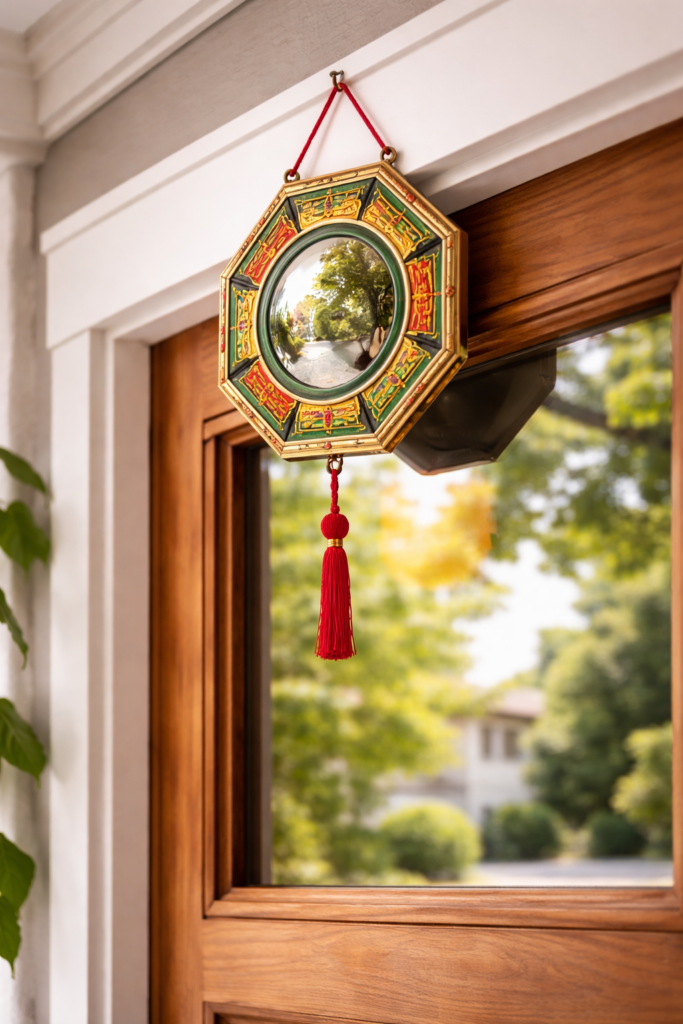
Bagua mirror placement above a front door for protection and emotional stability, showing a traditional Feng Shui bagua mirror reflecting outdoor light

Bagua Mirror Placement Rules for Protection and Stability

Bagua Mirror Placement Rules for Protection and Stability Most people think protection comes from strength. In reality, it comes from reducing exposure. That is exactly why understanding bagua mirror placement rules matters—not as a belief system, but as a way to manage visual stress, perceived threat, and environmental overload. A bagua mirror does not “block energy.” Instead, it works as a boundary cue. And boundaries are essential for stability. What a Bagua Mirror Actually Does (Psychology First)   A bagua mirror is placed outside the home, not inside. That rule exists for a reason. From a behavioral psychology perspective, mirrors redirect attention.They signal the brain to pause, reassess, and disengage. This matters because: Constant visual stimulation increases nervous system vigilance Perceived intrusion raises stress hormones Over time, this affects focus, sleep, and emotional regulation The bagua mirror acts as a visual stop sign. Not magical.Not symbolic. Just effective environmental design. Where to Place a Bagua Mirror for Protection   The most important rule is this: A bagua mirror is only used outside the home. Never indoors. Correct placements include: Above the main entrance door Outside a window facing sharp corners or heavy traffic On external walls facing aggressive visual structures These placements help reduce: Visual pressure Environmental overstimulation Constant subconscious scanning As a result, the mind feels safer. And safety supports stability. A Simple Protective Tool (Optional) A bagua mirror is sometimes used as a boundary-setting tool in environments with strong visual pressure. When chosen, simple, flat bagua mirrors are generally preferred.They are less visually aggressive and reduce the risk of overstimulation. This tool is not required for most homes.It is best used only when external visual stress is clearly present. 👉 View a simple flat bagua mirror option here ⚠️ Where Bagua Mirrors Should Never Be Placed   This is where most mistakes happen. A bagua mirror should never be placed: Inside living spaces Facing beds, desks, or seating areas In bedrooms or workspaces Facing neighbors directly Why? Because mirrors amplify attention. Indoors, this creates hyper-awareness, not protection. Instead of calming the nervous system, it keeps it alert. That leads to: Restlessness Poor focus Emotional fatigue Protection becomes pressure. Flat vs Convex vs Concave: What Actually Matters   There are three common types. Here’s how to think about them simply. Flat Bagua Mirror Neutral redirection Best for general boundary setting Least visually aggressive Convex Bagua Mirror Pushes attention outward Useful in visually crowded environments Should be used sparingly Concave Bagua Mirror Draws attention inward Rarely recommended Can increase psychological tension For most homes, flat mirrors are sufficient. Subtlety works better than force. 🧩 Protection Is About Reducing Cognitive Load   Protection is not about fighting the outside world. It is about limiting how much of it enters your awareness. When the environment feels contained: Decisions become clearer Emotions stabilize faster Energy is conserved instead of drained This is why bagua mirrors are classified as protective tools, not wealth tools. They protect your ability to function calmly. 🔗 How This Connects to Wealth and Focus   Stability comes before growth. Always. If the mind feels exposed or overstimulated, consistency drops. That affects: Work output Financial discipline Long-term planning This is why protective Feng Shui tools support wealth indirectly. They reduce friction. They protect attention. They make focus sustainable. 👉 For a complete system, read:Feng Shui for Wealth & Focus: How Your Space Shapes Money, Work, and Opportunity 🧘 A Calm Approach to Using a Bagua Mirror   If you choose to use one: Keep the design simple Avoid overly ornate or aggressive styles Use only one per entrance Less is more. Protection works best when it feels invisible. ❓ Frequently Asked Questions (FAQ)   ❓ Can I place a bagua mirror inside my house? No. Bagua mirrors are designed for external placement only. Indoors, they increase visual stress and mental alertness. ❓ Does a bagua mirror bring good luck? A bagua mirror does not create luck. It reduces environmental pressure, which helps emotional regulation and stability. ❓ Should a bagua mirror face a neighbor’s door? No. This creates unnecessary tension. The goal is boundary setting, not confrontation. ❓ Is a bagua mirror required for Feng Shui? No. It is a situational tool, not a requirement. Use it only when visual pressure is present. 📜 Affiliate Disclosure Some links on this site may be affiliate links. If you choose to purchase through them, I may earn a small commission at no additional cost to you. These recommendations are shared for educational and informational purposes only. ⚠️ Disclaimer This content is intended for informational and educational purposes. Feng Shui tools are not substitutes for professional advice, financial planning, or mental health care. Results vary based on environment, behavior, and consistency.

Feng Shui · Wealth & Focus, Feng Shui & Abundance, Feng Shui & Environmental Psychology

Bagua Mirror Placement Rules for Protection and Stability Read Post »

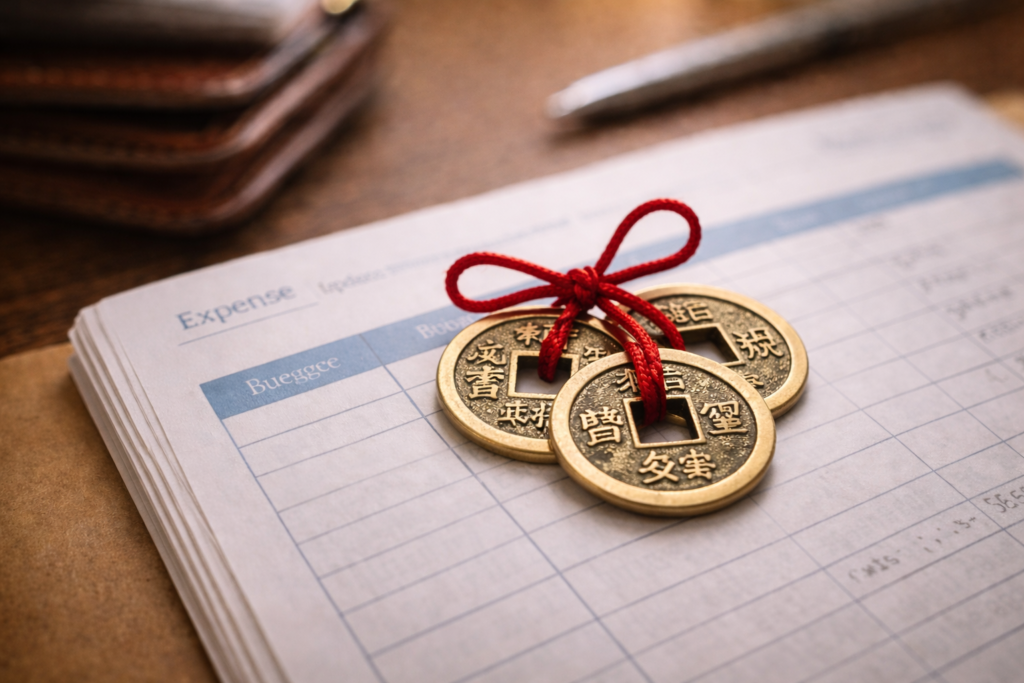
Feng Shui Chinese coins tied with a red thread placed on a desk, symbolizing money discipline, consistency, and calm financial focus

Chinese Coins Placement for Money Discipline and Consistency

Chinese Coins Placement for Money Discipline and Consistency Chinese coins placement for money discipline is rarely discussed correctly. Most explanations focus on attraction.Very few focus on behavior. Yet money problems are rarely caused by lack of opportunity.They are caused by inconsistency under pressure. Spending without awareness.Avoiding numbers.Reacting emotionally instead of deliberately. Environment shapes those habits quietly. And small, repeated visual cues influence how the brain approaches money decisions over time. Chinese coins, when placed intentionally, function as a discipline anchor — not a lucky charm. WHY MONEY DISCIPLINE FAILS UNDER PRESSURE   Financial inconsistency usually follows stress. When the nervous system feels overloaded, the brain shifts into short-term thinking.Impulse replaces planning. This is well documented in behavioral psychology. Visual reminders that signal structure and continuity reduce decision fatigue.They help stabilize attention. Chinese coins carry symbolic order: Circular shape = continuity Square center = structure That combination matters. Not spiritually.Psychologically. WHAT CHINESE COINS REPRESENT (WITHOUT SUPERSTITION)   Traditional Chinese coins combine two cognitive signals: Round outsideSignals flow and movement. Square centerSignals boundaries and control. The brain responds to repeated visual symbols through pattern recognition.Over time, these patterns influence behavior. This is how habits form. Coins placed correctly reinforce: Awareness before spending Consistency over impulse Long-term thinking over emotional reaction That is their real function. COMMON MISTAKES THAT REDUCE EFFECTIVENESS   These mistakes are subtle. They matter. Treating coins as decorative objects Placing them without intention Combining with clutter Expecting results without behavioral change Coins support discipline.They do not replace it. WHERE TO PLACE CHINESE COINS FOR MONEY DISCIPLINE   Placement determines effectiveness. Not energetically.Functionally. 1. Wallet or Expense Tracking Area This is the highest-impact placement. Coins placed inside a wallet, expense folder, or budgeting drawer act as a pause cue. They slow reactive spending.They reinforce intention. The brain registers the symbol before action. Consistency improves. 2. Desk Drawer or Work Surface (Out of Direct View)   Coins should not dominate attention. They work best when noticed briefly, not stared at. A desk drawer or side tray is ideal. This placement supports: Focused work Income-related decisions Reduced financial distraction 3. Near Financial Planning Tools   Place coins near: Budget planners Investment files Business documents This strengthens association between money and structure. Not emotion. Three Coin Chinese Wealth Coin Set Optional Support Tool A simple three-coin Chinese wealth coin set tied with a red thread works best for discipline-based placement.Choose minimal designs without excess ornamentation. 👉 Explore this Feng Shui support item WHERE CHINESE COINS SHOULD NOT BE PLACED   Some placements increase mental noise. Avoid these. ❌ Scattered Across the Home Loose placement dilutes meaning.The brain ignores clutter. Discipline requires containment. ❌ Bedrooms Sleep environments should reduce cognitive load. Money reminders here increase subconscious tension.That affects rest quality. ❌ High-Traffic Chaos Zones Entrances, kitchens, and cluttered shelves weaken signal clarity. Attention fragments. HOW MANY COINS TO USE (LESS IS MORE)   Three coins tied together is traditional. Psychologically, three signals: Awareness Choice Action More than that becomes decorative noise. One set per location is enough. HOW CHINESE COINS SUPPORT LONG-TERM CONSISTENCY   Consistency forms through repetition. Repeated cues strengthen neural pathways.This is neuroplasticity in action. Chinese coins act as: A behavioral checkpoint A reminder of structure A symbol of continuity Over time, this reduces emotional decision-making. That is how financial stability builds. Quietly. 🔗 INTERNAL REFERENCES   For a complete system view, read:→ Feng Shui for Wealth & Focus: How Your Space Shapes Money, Work, and Opportunity To support authority alongside flow, see:→ Why This Laughing Buddha Placement Attracts Money Within 30 Days FAQ SECTION (FOR ACCORDION + SCHEMA)   Are Chinese coins meant to attract money? No. They reinforce awareness and consistency around money decisions. Can I use Chinese coins without believing in Feng Shui? Yes. Their impact comes from behavioral cues, not belief. How long does it take to notice changes? Most people notice improved awareness within weeks, not instant results. Should Chinese coins be visible? No. Subtle placement works better for habit reinforcement. AFFILIATE DISCLOSURE (END OF ARTICLE) This article may contain affiliate links. If you choose to purchase through these links, we may earn a small commission at no additional cost to you. Products are selected to support intentional environment design and habit reinforcement. DISCLAIMER This content is for educational and informational purposes only. Feng Shui concepts are discussed through the lens of behavioral psychology and environmental influence. Results vary based on individual habits, consistency, and action.

Feng Shui · Wealth & Focus, Feng Shui & Abundance, Feng Shui & Environmental Psychology

Chinese Coins Placement for Money Discipline and Consistency Read Post »

Metal wind chimes feng shui placement for money flow near a window, supporting movement, clarity, and financial circulation in a calm home environment

Metal Wind Chimes Feng Shui Placement for Money Flow

Metal Wind Chimes Feng Shui Placement for Money Flow Metal wind chimes feng shui placement for money flow is rarely explained correctly. Most advice focuses on sound alone. However, money flow is not about noise. It is about movement, timing, and release. The spaces where work and financial decisions happen either allow movement—or trap attention in stagnant loops. Metal wind chimes, when placed intentionally, function as environmental disruptors. They interrupt stagnation. And they reset attention. Why Stagnant Spaces Block Financial Momentum   Money flow depends on motion. Not physical motion. Mental motion. When a space feels stuck, the brain mirrors that condition. Over time, this shows up as: Delayed decisions Repeated financial stress Reduced follow-through Environmental psychology confirms this. Static environments increase cognitive friction. Movement cues reduce it. What Metal Wind Chimes Represent (Without Superstition)   Metal is associated with: Precision Structure Clarity Circulation In modern terms, metal elements support: Clear thinking Logical sequencing Reduced emotional noise Wind chimes introduce controlled movement. Not chaos. That distinction matters. Metal Wind Chimes Feng Shui  for Money Flow Metal Wind Chimes Feng Shui for Money Flow Some people choose simple metal wind chimes to support subtle movement in workspaces. When selecting one: Choose neutral metal Avoid painted colors Keep sound light 👉 Explore this Feng Shui support item Where to Place Metal Wind Chimes for Money Flow   Placement determines effectiveness. Incorrect placement creates irritation. Correct placement restores rhythm. Best Locations 1. Near entryways (not directly in the doorway)This supports transitions and opportunity awareness. 2. Home office windowsEspecially if work feels stuck or repetitive. 3. Wealth corner zones with low activityMovement prevents energy stagnation. Placements to Avoid   Bedrooms Near seating areas High-traffic walking paths Sound in rest zones disrupts regulation. And regulation supports financial clarity. Why the Number of Rods Matters   In Feng Shui, structure matters more than symbolism. Metal wind chimes with 6 or 8 rods work best. Why? Because even groupings create rhythm. Rhythm supports consistency. Consistency supports results. Avoid odd or excessive rod counts. More is not better. Office vs Home Placement Differences Office Placement   Metal wind chimes in offices support: Decision flow Project momentum Reduced mental clutter They should be subtle. Barely audible. If you notice them constantly, they are misplaced. Home Placement At home, wind chimes act as: Transitional cues Attention resets They work best near: Balconies Windows Entry points Never inside living rooms. Money flow requires calm—not distraction. Common Mistakes That Block the Effect   Most failures happen due to: Loud chimes Bright colors Overcrowded placement Emotional attachment to the object When the object becomes decorative instead of functional, the effect disappears. Function always comes first. How Metal Wind Chimes Support Financial Flow Psychologically   Movement cues trigger orientation responses in the brain. This resets: Attention loops Stress cycles Decision fatigue As a result, financial thinking becomes: More fluid Less reactive More consistent This is not mystical. It is neurological. Final Thought: Flow Is Created, Not Attracted   Money flow improves when friction decreases. Environment shapes that friction. Metal wind chimes, used intentionally, support flow by restoring movement, clarity, and rhythm—not by creating noise. 🔗 INTERNAL REFERENCES For a complete system view, read:→ Feng Shui for Wealth & Focus: How Your Space Shapes Money, Work, and Opportunity To support authority alongside flow, see:→ Feng Shui Dragon Placement for Career Success and Authority FREQUENTLY ASKED QUESTIONS   Do metal wind chimes really help with money flow? They support movement and reduce stagnation, which influences financial decision-making and consistency. Where should metal wind chimes not be placed? Bedrooms, seating areas, and high-traffic paths should be avoided. How many rods are best for Feng Shui wind chimes? Six or eight rods create balanced rhythm and reduce overstimulation. Should wind chimes be loud? No. Subtle sound is more effective than constant noise. ⚖️ AFFILIATE DISCLOSURE Some links on this page may be affiliate links. If you choose to purchase through them, I may earn a small commission at no additional cost to you. ⚠️ DISCLAIMER This article is for educational purposes only. Feng Shui tools support focus and environmental balance but do not guarantee financial outcomes.

Feng Shui · Wealth & Focus, Feng Shui & Abundance, Feng Shui & Environmental Psychology

Metal Wind Chimes Feng Shui Placement for Money Flow Read Post »

A bronze Feng Shui dragon statue placed on an office desk to support career success, authority, and confident decision-making.

Feng Shui Dragon Placement for Career Success and Authority

Feng Shui Dragon Placement for Career Success & Authority Feng Shui Dragon placement for career success Career growth is often explained through skill, effort, or timing. What rarely gets discussed is how authority is reinforced by environment—including feng shui dragon placement for career success. The spaces where leadership decisions are made shape posture, confidence, and perceived control long before results appear. Authority is not only asserted. It is reinforced. The Feng Shui Dragon, when used intentionally, is not a mythological symbol of power. It is a directional and dominance cue—one that influences how the mind occupies space. WHY THE DRAGON SYMBOL IS LINKED TO AUTHORITY The human brain responds strongly to symbols of dominance. Tall shapes. Forward-facing forms. Protective positioning. These cues signal safety, command, and readiness. In environmental psychology, this is known as territorial reinforcement. The dragon functions as a symbolic boundary. It marks a space as controlled rather than reactive. This matters for career success because leadership requires calm authority, not constant effort. WHAT THE DRAGON REPRESENTS (WITHOUT SUPERSTITION) In traditional Feng Shui, the dragon represents: Direction Momentum Protection Authority From a psychological lens, this translates into: Clear orientation Reduced hesitation Stronger presence Confidence under observation The dragon does not “create” authority. It supports the mental conditions where authority is expressed naturally. Feng Shui Dragon Some people choose to use a simple dragon figure as a workspace anchor. When selected, neutral finishes and minimal designs work best. Avoid exaggerated features. Avoid bright colors. The goal is quiet authority, not intimidation. 👉 View a simple Feng Shui dragon option her WHERE TO PLACE A FENG SHUI DRAGON FOR CAREER SUCCESS Placement determines whether the symbol supports focus or creates tension. IDEAL PLACEMENT LOCATIONS 1. Home office or personal workspaceEspecially in roles involving leadership, strategy, or negotiation. 2. On a side surface, not directly in front of youAuthority works best when reinforced, not confronted. 3. Slightly elevated positionShelves or cabinets at eye level or above reinforce dominance cues. PLACEMENT TO AVOID Bedrooms Shared living spaces Near the main door Directly behind seating These locations overstimulate or dilute the symbol’s effect. Authority becomes background noise. FACING DIRECTION: WHY IT MATTERS Facing direction influences perceived control. A dragon facing into the room reinforces command over the space. A dragon facing out of a window or door subconsciously signals energy leaving. This is not mystical. The brain interprets direction as intent. Intent shapes posture. Posture shapes confidence. OFFICE VS HOME PLACEMENT DIFFERENCES OFFICE PLACEMENT In offices, the dragon supports: Leadership identity Decisiveness Presence during communication Best placed near: Planning areas Strategy desks Document review spaces Avoid reception areas. Authority is personal, not performative. HOME PLACEMENT At home, the dragon should remain: Quiet Minimal Private It is not décor. It is a behavioral anchor. THE MOST COMMON DRAGON PLACEMENT MISTAKE Placing the dragon where it can be “seen by everyone.” This converts a support cue into a display object. The psychological link weakens. The symbol loses personal relevance. Authority cues must feel owned, not observed. HOW DRAGON PLACEMENT SUPPORTS CAREER MOMENTUM When placed correctly, the dragon reinforces: Stillness under pressure Boundary awareness Assertive decision-making Reduced self-doubt It does not replace preparation. It supports the state of mind where preparation performs. WHEN NOT TO USE A DRAGON SYMBOL The dragon is not for every phase. Avoid using one if: You feel overstimulated Your work requires rest, not drive Your environment is already visually busy Authority without calm becomes aggression. Balance matters. INTERNAL REFERENCE To understand how environmental symbols reinforce focus and financial consistency, read:→ Feng Shui for Wealth & Focus: How Your Space Shapes Money, Work, and Opportunity To balance drive with stability, see:→ Where to Place a Wealth Bowl at Home or Office for Best Results FREQUENTLY ASKED QUESTIONS Is a Feng Shui dragon good for career growth? Yes, when used as a subtle environmental cue supporting confidence and authority. Where should a dragon be placed in an office? In a personal workspace, slightly elevated, facing into the room. Can a dragon be placed at home? Yes, but only in a quiet, private work area—not shared spaces. Does dragon placement guarantee success? No. It supports mindset and behavior, not outcomes. AFFILIATE DISCLOSURE Some links in this article may be affiliate links.If you choose to purchase through these links, I may earn a small commission at no additional cost to you. DISCLAIMER This content is for educational and informational purposes only.Feng Shui tools are not guarantees of career or financial outcomes and should not replace skill development, experience, or professional decision-making.

Feng Shui · Wealth & Focus, Feng Shui & Abundance, Feng Shui & Environmental Psychology

Feng Shui Dragon Placement for Career Success and Authority Read Post »

A Feng Shui wealth bowl placed on a wooden desk in a calm home office, showing proper wealth bowl placement to support focus, clarity, and business growth.

Where to Place a Wealth Bowl at Home or Office for Best Results

Where to Place a Wealth Bowl at Home or Office for Best Results Most conversations about financial growth focus on income, effort, or strategy. What often gets ignored is where to place a wealth bowl at home or office—and how that placement affects attention, emotional regulation, and consistency. The environment where money decisions are made shapes how the nervous system responds to pressure. Over time, that response determines whether focus is sustained or scattered. A wealth bowl, when used intentionally, is not a money-attracting object. It is a visual anchor—one that reinforces stability, direction, and follow-through. Why Placement Matters More Than the Object Itself The brain responds constantly to visual cues. Objects placed in meaningful locations become subconscious reference points. When a symbol is placed in a calm, low-distraction area, it reinforces clarity. When placed in chaotic or high-traffic zones, it competes with noise. This is not belief. It is attentional psychology. A wealth bowl works best when it supports focus, not fantasy. Feng Shui Wealth Bowl A Simple Visual Anchor for Focused Spaces   A wealth bowl is often used as a visual anchor—something the mind associates with stability, order, and intention. When placed in a calm, low-distraction area, it can support consistent focus by reducing visual noise and reinforcing deliberate work habits. This is not a promise of financial results.It is a subtle environmental cue that supports attention and follow-through over time. For those who choose to use one, simple bowls made from glass, ceramic, or natural stone tend to work best in both home and office settings. 👉 Explore this Feng Shui support itemhttps://geni.us/rv3Zy Where to Place a Wealth Bowl at Home The most effective placement is not random. It is intentional.   Ideal Home Locations 1. A quiet corner of the living areaThis supports reflection and long-term planning. 2. A personal workspace or study areaEspecially where financial decisions are reviewed. 3. A shelf or cabinet away from clutterVisual order reduces cognitive load. Locations to Avoid at Home   Near the main door Inside the kitchen On the floor In bedrooms High activity areas drain attention. Bedrooms overstimulate the nervous system. The wealth bowl becomes background noise instead of a cue. Where to Place a Wealth Bowl in an Office Office placement should support decision quality, not symbolism. Ideal Office Placement 1. On a side shelf near your deskNot directly in front of your eyes. 2. In a low-traffic corner of the workspaceStability matters more than visibility. 3. In a cabinet used for planning or finance documentsThis reinforces association with financial order. Office Locations to Avoid   Directly facing a doorway Near printers or electronics On shared desks In reception areas These zones increase distraction. Attention fragments. The cue loses effectiveness. The Most Common Placement Mistake   Placing a wealth bowl where it can be “seen by others.” This shifts its role. Instead of reinforcing internal focus, it becomes external display. Psychologically, this reduces personal attachment. The bowl works best when it supports your behavior, not perception. How a Wealth Bowl Supports Focus (Not Luck)   A well-placed wealth bowl does three things: Reinforces intentionality Reduces environmental noise Supports calm, consistent action It does not replace effort. It supports the mental conditions required for effort to sustain. This distinction matters. When Placement Needs to Change   If your space changes, reassess placement. Moving homes. Changing desks. Shifting roles. Environmental cues must evolve with behavior. Static placement leads to habituation. Habituation reduces impact. How a Wealth Bowl Supports Focus (Not Luck)   A well-placed wealth bowl does three things: Reinforces intentionality Reduces environmental noise Supports calm, consistent action It does not replace effort. It supports the mental conditions required for effort to sustain. This distinction matters. Internal Reference If you want to understand how items inside the bowl reinforce attention and consistency, read:→ The 7-Item Feng Shui Wealth Bowl Formula Used by Asian Merchants For the full environmental psychology framework, visit:→ Feng Shui for Wealth & Focus: How Your Space Shapes Money, Work, and Opportunity Frequently Asked Questions   Does a wealth bowl need to face a specific direction? No. Direction matters less than calm placement and visual clarity. Can I place a wealth bowl at work? Yes, if the space is personal, quiet, and decision-focused. Should the wealth bowl be visible? It should be accessible, not prominent. Can I have more than one wealth bowl? One is usually sufficient. Multiple bowls dilute focus. Affiliate Disclosure Some links in this article may be affiliate links.If you choose to purchase through these links, I may earn a small commission at no additional cost to you. Disclaimer This content is for educational and informational purposes only.Feng Shui tools are not guarantees of financial outcomes and should not replace skill development, effort, or financial planning.

Feng Shui · Wealth & Focus, Feng Shui & Abundance, Feng Shui & Environmental Psychology

Where to Place a Wealth Bowl at Home or Office for Best Results Read Post »

Diagram comparing affirmations and audio tools, showing how audio influences mental state while affirmations rely on conscious language processing

Why Audio Tools Work Faster Than Affirmations Alone

Why Audio Tools Work Faster Than Affirmations Alone Affirmations fail most often for one quiet reason. They rely on effort.The subconscious relies on state. Repeating positive language can feel productive.Acceptance, however, does not depend on words alone. It depends on emotional readiness.It depends on nervous system safety.It depends on how much resistance is present. When the mind feels tense or defensive, repetition triggers evaluation. Not absorption. That evaluation slows change. Audio-based tools work differently. Instead of asking the mind to believe something new, they influence mental state first. As resistance lowers, repetition becomes easier. Language no longer feels forced.Patterns update with less friction. This difference explains why affirmations often feel exhausting on their own. It also explains why combining them with audio tools tends to produce faster, more sustainable shifts. The Conscious “Critical Filter”   The conscious mind acts as a filter. It evaluates.It questions.It compares new information against existing beliefs. This process protects identity and stability. When affirmations pass through this filter, they are assessed immediately. If a statement conflicts with lived experience, the mind flags it as unrealistic or unsafe. That reaction often feels like: Doubt Resistance Mental fatigue This is not negativity. It is protection. The critical filter evolved to prevent sudden belief changes that could disrupt functioning. As a result, language-based repetition alone often struggles to pass through without friction. Effort increases awareness of the conflict. Awareness strengthens resistance. This is why people can repeat affirmations daily and still feel stuck. The message reaches the conscious mind—but never settles into the systems that govern habit and behavior. State Matters More Than Words   The subconscious responds to state, not argument. Calm states reduce analysis.Heightened states increase evaluation. This distinction matters. When the nervous system feels safe and regulated, the mind becomes more receptive. Suggestions encounter less internal debate and more passive absorption. Language works best after the state shifts. This explains why affirmations feel easier: Before sleep After meditation During relaxed focus It is not the words that change. The mental environment does. How Audio Tools Alter Mental State   Audio tools work by influencing mental state first. Sound patterns affect attention, rhythm, and internal pacing. Over time, these elements guide the brain toward calmer or more focused states. In those states: Analytical filtering decreases Emotional reactivity softens Repetition becomes less effortful This does not bypass thinking. It quiets unnecessary resistance. Once resistance lowers, repetition works as intended. That sequence—state first, suggestion second—is the key difference between audio-based methods and language-only approaches. Passive vs Active Reprogramming   Affirmations require active participation. Audio tools allow passive exposure. This difference matters for consistency. Active methods depend on: Motivation Discipline Attention Passive methods depend on: Repetition Environment Routine When effort drops, consistency improves. Consistency—not intensity—drives long-term pattern change. When Affirmations Still Play an Important Role   Affirmations are not ineffective. They are incomplete when used alone. Once mental state aligns, language reinforces direction. Affirmations help clarify identity and intention. Used together: Audio supports receptivity Language supports meaning This combination reduces friction and increases follow-through. Balance matters. If you prefer a gentle, practical example, this short session focuses on calming the nervous system before repetition. It’s designed to support relaxation and emotional balance, not to force belief. https://youtu.be/aUC4UgH6GK0 Conclusion: Tools Support State, Not Willpower   Change does not require more effort. It requires better conditions. Audio tools support mental state.Affirmations support identity.Repetition integrates both. When pressure decreases, absorption increases. If you want to understand why this works and how the brain shifts money patterns without force: Brainwave Entrainment & Subconscious Change(A clear, science-grounded breakdown of how awareness rewires financial behavior.) When you are ready to see the practical tools this awareness supports— → Visit Best Brainwave & Subliminal Programs for Wealth Manifestation (A calm overview of programs and resources designed to reinforce subconscious change.) Understanding comes first.Action becomes easier after. Disclaimer The information provided in this article is for educational and informational purposes only. It is not intended to diagnose, treat, cure, or prevent any medical or mental health condition. Audio-based tools, affirmations, and relaxation techniques may support awareness, reflection, and emotional regulation, but individual experiences can vary. These methods are not a substitute for professional medical, psychological, or therapeutic care.   If you are experiencing persistent distress, anxiety, or health-related concerns, please seek guidance from a qualified healthcare professional.

Subconscious Psychology

Why Audio Tools Work Faster Than Affirmations Alone Read Post »

Scroll to Top
Mind Boggling Studio logo with brain design representing mindset and thinking
Privacy Overview

This website uses cookies so that we can provide you with the best user experience possible. Cookie information is stored in your browser and performs functions such as recognising you when you return to our website and helping our team to understand which sections of the website you find most interesting and useful.