Feng Shui for Indian Homes

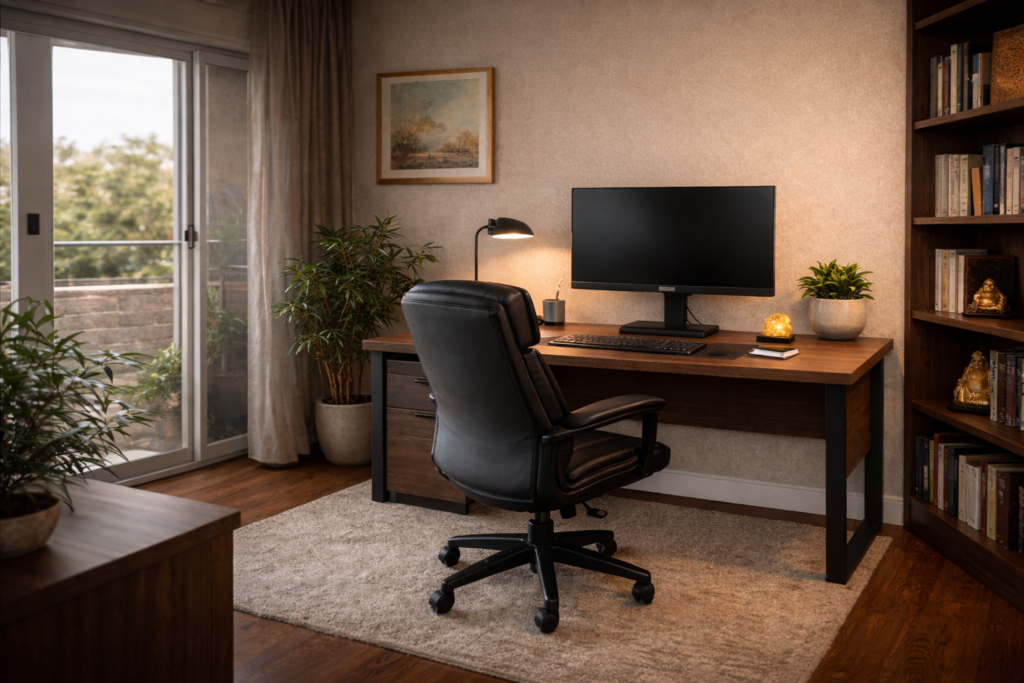
Fire Horse Feng Shui 2026 home office with lucky bamboo, wealth bowl, warm lighting, and balanced desk setup for financial growth

Fire Horse Year 2026 Feng Shui Guide: Build Real Wealth with East Sector Alignment

Fire Horse Feng Shui 2026 focuses on balancing strong fire energy with grounding elements while activating the East wealth sector. This year can bring wealth, transformation, or warning signals depending on your environment. Structured space reduces stress, improves focus, and supports consistent financial growth. Fire Horse Feng Shui 2026 requires balancing strong fire energy with grounding earth elements while activating the East wealth sector. Place your desk in command position, reduce visual heat (red/harsh light), and add one wood + one earth anchor to stabilize focus, improve decisions, and support consistent wealth growth. 2026 is fast. More visibility.More pressure.More decisions. As a result, most people will feel busy—but not stable. The Fire Horse Year has begun. And it is not subtle. Speed increases.Decisions accelerate.Patterns become visible. Instead of random outcomes, this year reveals patterns already present in your environment and behavior. The Problem: Why Your Space Is Blocking Wealth in 2026 Your environment is sending signals. Constantly. If your space has: • Harsh lighting• Excess red tones• Cluttered desk• No clear wealth anchor Then your brain shifts into reactive mode. Instead of strategic thinking, you respond to pressure. As a result: • You rush decisions• You lose consistency• You feel “busy but stuck” Fire energy amplifies this effect. The Three Outcomes of Fire Horse 2026 Most people will experience one of these three shifts. 1️⃣ Unexpected Wealth This shows up as: • Sudden opportunities• New income channels• Increased visibility However, without structure: Opportunity becomes overwhelm. 2️⃣ Powerful Transformation For some, this year is not about money. It is about: • Identity shifts• Career changes• Letting go of outdated systems Fire exposes what no longer works. As a result, adaptation becomes necessary. 3️⃣ A Warning You Can’t Ignore This appears as: • Burnout• Repeated mistakes• Financial inconsistency• Decision fatigue This is not bad luck. It is feedback. Your system is overloaded. The Explanation: Fire Horse Energy + East Wealth Sector In 2026: • Fire = speed, visibility, expansion• East sector = growth, wealth development (Wood element) Fire feeds on wood. But excess fire burns it. That is why balance is critical. Environmental Psychology Layer Your brain responds to: • Heat (light, color, stimulation)• Stability (structure, backing)• Flow (clear pathways) When heat is high without grounding: Stress increases.Focus drops.Decisions weaken. Over time, income consistency suffers. The First 7 Days Set the Tone The first week of this cycle matters. Not magically. Neurologically. Your brain builds: • Attention patterns• Decision rhythm• Work structure If the first 7 days are chaotic: The pattern repeats. If structured: Stability compounds. The Solution: 3 Low-Cost Adjustments (High Impact) 1️⃣ Activate the East Wealth Sector Locate the East area of your space. Then: • Add ONE healthy plant• Keep it clean and accessible• Avoid overcrowding Instead of adding more, remove friction. 2️⃣ Reduce Visual Heat Fire is already dominant in 2026. Do not amplify it. Adjust: • Replace harsh white light → warm-neutral• Reduce excessive red tones• Limit reflective clutter As a result: Your nervous system stabilizes. 3️⃣ Command Position Your Desk This is essential. • Face the entrance• Keep a solid wall behind• Avoid direct alignment with door If not possible: • Use a mirror• Use a high-back chair This improves: • Confidence• Decision quality• Authority perception A Simple Reset You Can Apply Today Start small. • Clear your workspace• Adjust lighting• Add one grounding element• Improve desk positioning Small changes create immediate stability. Fire Horse 2026 Mistakes to Avoid • Overusing red or bright lighting• Adding too many Feng Shui items• Ignoring desk placement• Cluttering the wealth corner• Mixing too many symbolic fixes Instead: Simplify.Stabilize.Then scale. 🎥 Watch: Fire Horse Year 2026 + Period 9 Feng Shui = the most powerful wealth energy in 20 years. ✨ https://youtu.be/hIp_5Rn1CLE Want to understand what this year is activating for you personally? Tap your zodiac sign to find out The first 7 days set the tone for your entire year 🧩 Supportive Tools (Optional) 🌿 Lucky Bamboo (East Sector Growth Anchor) Supports: • Growth mindset• Visual stability• Consistent progress 💡 Warm Desk Lamp (Fire Balance Tool) Supports: • Reduced eye strain• Balanced lighting• Lower fatigue Internal Linking 👉 Feng Shui for Wealth & Focus (Hub)👉 The Invisible Script: How Environmental Psychology of Your Home Office Shapes Success👉 The 1-Inch Shift: Small Desk Changes That Create Big Confidence and Income Results FAQ What is Fire Horse Feng Shui 2026? Fire Horse Feng Shui 2026 focuses on balancing strong fire energy with grounding elements while activating the East sector for stable wealth and focus. How do I activate the East wealth sector in 2026? Keep the East area clean, add one healthy plant, and avoid clutter to support growth without overwhelming the space. Can Feng Shui improve financial outcomes? Indirectly, yes. It improves focus, emotional control, and decision-making, which influence long-term financial results. What is the biggest mistake in Fire Horse year? Overstimulating the environment with excessive light, color, or objects, which increases stress instead of stability. Final Thought Fire Horse 2026 is not about luck. It is about exposure. What is stable will grow. What is weak will surface. Your environment decides which direction you move. Affiliate Disclosure Some of the links on this page may be affiliate links. This means that if you choose to make a purchase through these links, we may earn a small commission at no additional cost to you. These tools and products are shared as optional resources to support workspace clarity, environmental balance, and focus. They are not required, and results depend on individual habits, consistency, and decision-making. Disclaimer The information provided on this website is for educational and informational purposes only. Content related to Feng Shui, environmental psychology, mindset, and behavioral patterns is intended to offer general guidance on improving focus, clarity, and lifestyle structure. It should not be considered financial, legal, medical, or professional advice. We do not guarantee specific outcomes, including financial results, career growth, or personal success. Individual results vary based on personal circumstances, effort, and consistency. Readers are

Feng Shui · Wealth & Focus, Feng Shui & Abundance, Feng Shui & Environmental Psychology, Feng Shui for Indian Homes

Fire Horse Year 2026 Feng Shui Guide: Build Real Wealth with East Sector Alignment Read Post »
Feng Shui for career stability in India showing north-facing desk with solid wall backing in small apartment home office

Global Ambition, Local Peace: Feng Shui for Career Stability in Indian Offices & WFH Setups

Global Ambition, Local Peace: Feng Shui for Career Stability in Indian Offices & WFH Setups Feng Shui for career stability in India combines Vastu direction principles with environmental psychology. Proper desk placement, solid backing, and visual balance reduce stress signals and support long-term professional focus in Indian home offices and hybrid workspaces. Why Indian Workspaces Need Cultural Adaptation   Feng Shui for career stability in India cannot ignore local context. Many professionals work from 1 BHK or 2 BHK flats. At the same time, they serve global companies and clients. This creates a tension. Global ambition.Local spatial constraints. Therefore, workspace design must integrate both psychological structure and directional traditions such as Vastu. This is not about belief. It is about stability. Why Career Stability Is a Spatial Issue   Career growth depends on consistent performance. Consistent performance depends on focus. Focus depends on nervous system regulation. In compact Indian homes, visual density increases quickly. Because rooms serve multiple functions, boundaries blur. As a result, the brain remains semi-alert. Semi-alert states reduce deep thinking. Deep thinking supports strategic growth. Therefore, spatial order becomes a professional asset. Vastu and Feng Shui: What Actually Overlaps   Many assume Vastu and Feng Shui are identical. They are not. However, both emphasize: • Directional alignment• Stable backing• Balanced visual flow Vastu focuses strongly on cardinal directions. Feng Shui emphasizes command position and energy flow. When combined practically, they create a structured framework for Indian professionals. Best Desk Direction for Career Stability in India   Direction influences perception. According to Vastu tradition, facing north or east is considered supportive for professional growth. These directions are associated with clarity and opportunity. From a psychological lens, facing a direction with open visual depth reduces compression. However, direction alone is not enough. Backing matters more. The Command Position Within Indian Layouts   Even in Indian flats, apply command position. See the entrance. Avoid sitting directly in line with it. Have a solid wall behind you. Because when your back feels exposed, subconscious vigilance increases. While you may not notice it, your posture tightens. Tight posture reduces vocal stability during calls. Vocal stability influences authority perception. North-Facing Desk Benefits: A Practical View   North-facing desk benefits are often discussed symbolically. However, the practical advantage is lighting and orientation. North light tends to be softer and consistent. Consistent light reduces visual fatigue. Reduced fatigue supports sustained focus. Therefore, direction should support comfort first. Symbolism comes second. Small Apartment Application: 1 BHK & 2 BHK Adaptation   Indian apartments present real constraints. You may not control room direction. You may share space with family. You may work from a bedroom corner. Therefore, precision matters. If a north-facing desk is impossible, prioritize: • Solid backing• Clear front view• Minimal overhead clutter• Vertical stability behind chair Because stability is more important than perfection. The Survival Wall Principle   In compact homes, many desks float in open rooms. This creates subtle instability. Instead, move against a wall whenever possible. If walls are limited, use: • Tall bookshelf• Folding partition• High-back ergonomic chair Visual solidity reduces subconscious scanning. Scanning reduces focus. Visual Density and Career Momentum   Indian homes often contain: • Multiple storage units• Decorative elements• Open shelves Visual density increases cognitive tension. Reduce 20% of visible surface clutter. This is not minimalism. It is visual relief. Visual relief increases calm. Calm supports consistent output. Hybrid Professionals: Global Meetings, Local Rooms   Indian professionals often attend global calls. Your background becomes part of your brand. Ensure: • Stable wall behind• Neutral tone• Balanced lighting• No chaotic movement behind you Because global teams interpret background stability as leadership presence. Leadership presence supports career growth. The Wealth Corner in Indian Context   Traditionally, the far-left desk corner represents wealth. Instead of over-decorating, place one structured anchor. For example: • Small citrine stone• Minimal Laughing Buddha• Framed professional certificate This acts as a cognitive cue. When stress rises, the eye lands on achievement symbolism. Symbolism interrupts scarcity thinking. Scarcity thinking weakens negotiation. Feng Shui Citrine Stone Compact Citrine Desk Stone   A small citrine stone placed intentionally in the far-left desk area can serve as a visual anchor for professional focus. Keep the surrounding space clean for maximum psychological clarity. 👉 Explore this Feng Shui support item Balancing Tradition with Performance   Blindly following direction rules creates rigidity. Ignoring tradition creates internal conflict. Balance both. Use direction when practical. Prioritize stability when necessary. Because career stability comes from sustained clarity, not symbolic perfection. Conclusion: Structured Space, Sustainable Growth   Feng Shui for career stability in India is not about ritual. It is about structure. Solid backing.Clear direction.Reduced visual density.Stable lighting. When space feels grounded, performance stabilizes. Stability compounds. And career growth follows consistency. Continue the Executive Workspace Serie Strengthen your full workspace strategy: • Read: The Invisible Script – How Home Environments Shape Habits & Decisions• Read: Desk Setup for Confidence – The Wealth Wall Strategy• Read: The 1-Inch Shift – Small Desk Changes That Create Big Results • Read: Feng Shui for Wealth & Focus: How Your Space Shapes Money, Work, and Opportunity • Read: Feng Shui Dragon Placement for Career Success FAQ   What is the best desk direction for career stability in India? Facing north or east is traditionally considered supportive. However, stable backing and visual clarity matter more than strict directional perfection.   Can Vastu and Feng Shui be combined? Yes. Vastu provides directional guidance, while Feng Shui emphasizes command position and spatial balance. Together, they create a structured approach.   What if my flat does not allow ideal direction? Prioritize solid backing, stable lighting, and reduced clutter. Practical stability outweighs ideal direction.   Does desk placement really affect career growth? Indirectly, yes. Structured space reduces stress signals and improves consistent performance, which supports long-term professional advancement. Disclosure: As an Amazon Associate, I earn from qualifying purchases. This post contains affiliate links for products I recommend for your wellbeing. If you click and buy through these links, I may receive a small commission

Feng Shui for Indian Homes, Home Office Optimization

Global Ambition, Local Peace: Feng Shui for Career Stability in Indian Offices & WFH Setups Read Post »

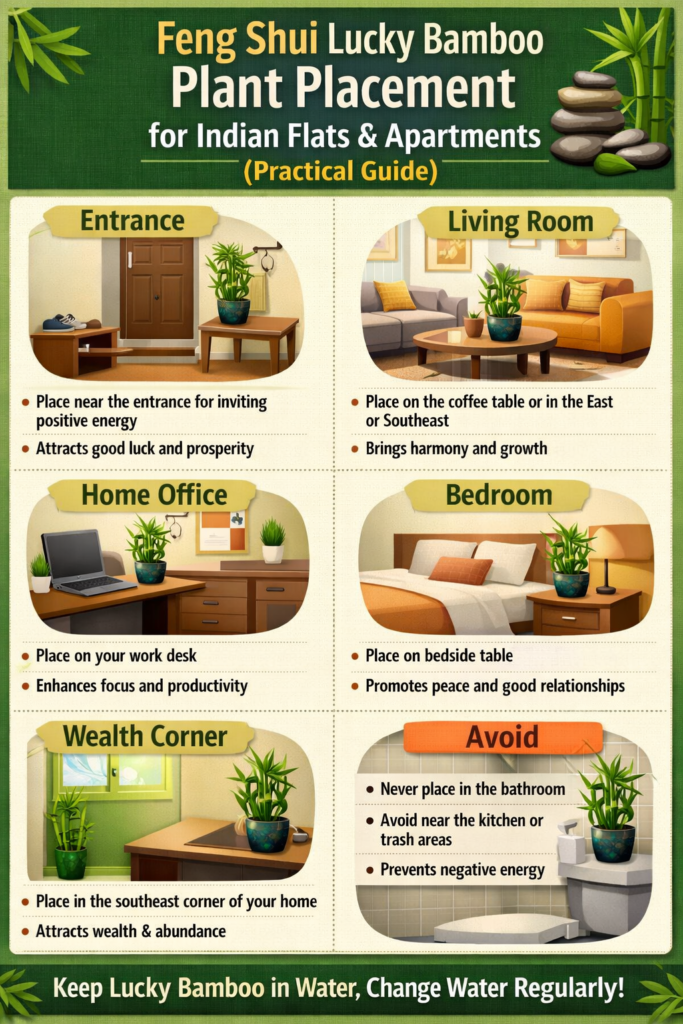
Infographic showing Feng Shui Lucky Bamboo placement guide for Indian apartments, including best locations for living room, home office, and wealth corner.

Feng Shui Money Tree Placement for Indian Flats and Apartments (Practical Guide)

Feng Shui Money Tree Placement for Indian Flats and Apartments (Practical Guide) Feng Shui money tree placement in Indian flats is less about ancient superstition and more about environmental psychology. In a compact urban apartment, your surroundings directly affect your focus, discipline, and financial behavior. In a typical Indian home, space is at a premium. Rooms are multipurpose, surfaces are often crowded, and visual “noise” is high. Because of this, placement matters more than the object itself. A money tree only works when it anchors your attention and reinforces consistent habits. Otherwise, it is just another piece of decor collecting dust. This guide provides a practical, no-nonsense blueprint for placing a money tree in modern Indian homes to maximize clarity and wealth focus. Money Plant vs. Money Tree: Which One Do You Need? In Indian households, the terms “Money Plant” and “Money Tree” are often used interchangeably, but in the world of Feng Shui and Vastu, they are distinct plants with different “vibes.” Choosing the right one depends on your apartment’s light levels and your specific goals. 1. The Money Plant (Epipremnum aureum) The Money Plant (Epipremnum aureum) Most Indians know this as the classic Pothos or Devil’s Ivy. The Look: A heart-shaped vine that climbs or hangs. The Symbolism: In Vastu, it is believed to bring long-lasting prosperity and filter negative energy. Its “creeping” nature symbolizes the expansion of wealth. Best For: Beginners. It is nearly impossible to kill and thrives in the humid, low-light corners of a 1BHK or 2BHK. 2. The Money Tree (Pachira Aquatica or Lucky Bamboo) Feng Shui Lucky Bamboo (Money Tree) In Feng Shui, the “Money Tree” usually refers to the Pachira (with its famous braided trunk) or Lucky Bamboo. The Look: The Pachira has a sturdy, woody stem with five leaves on each branch, representing the five elements. Lucky Bamboo is vertical, clean, and structured. The Symbolism: These are “active” wealth activators. The braided trunk of the Pachira is said to “trap” fortune within its folds, while the vertical growth of bamboo represents steady, upward career climbs. Best For: Career professionals and business owners looking for a “statement” piece to anchor their wealth corner. 👉 Explore this Feng Shui support item The Key Difference The Money Plant is about protection and steady flow, making it ideal for the living room. The Money Tree (Pachira/Bamboo) is about intentional growth and accumulation, making it the perfect choice for your office desk or workspace. Pro-Tip: If your flat is small, start with Lucky Bamboo. It provides the “Tree” energy without taking up the floor space required by a climbing Money Plant. Choosing the Best Money Tree for Indian Homes: Lucky Bamboo vs. Pachira Why Lucky Bamboo wins for Indian apartments: It handles the humidity of Indian monsoons. It thrives in the “low-light” corners common in 1BHK and 2BHK layouts. It requires minimal maintenance for a busy professional. Why Placement is Critical in Compact Apartments Indian flats create a high mental load. Between shared storage and small rooms, the brain is constantly processing clutter. When a growth symbol is placed incorrectly, the brain categorizes it as “mess,” leading to: Decision Fatigue: Too many things in your line of sight. Stagnant Energy: Dust and clutter around a plant symbolize neglected finances. Correct placement, however, reinforces order, stability, and long-term thinking. Best Lucky Bamboo Placement for Wealth India 1. The Living Room: Creating a Wealth Awareness Zone In most Indian homes, the living room is the “face” of the house. Best Spot: The Southeast corner of the living room is traditionally associated with wealth. If that’s blocked, choose a corner with soft, natural light. The Goal: Place it on a stable surface (like a side table) where it is visible but not in the way of daily chores. Avoid: Placing it near shoe racks or under heavy overhead lofts/storage beams, which symbolize “pressure” on your growth. 2. The Home Office or Study Desk: Anchoring Growth Mindset If you are a freelancer or a remote worker in India, your desk is your primary wealth generator. Best Spot: The top-right corner of your desk. The Goal: It acts as a “visual anchor,” reminding you of your growth goals during stressful work hours. Avoid: A cluttered desk. If the plant is surrounded by old bills and trash, it symbolizes “drowning in debt.” 3. The East Window (For Growth & Family Health) If your flat has a balcony or window facing East, placing your money tree here allows it to soak up the morning “Prana” or energy, which is highly auspicious in both Vastu and Feng Shui. Where NOT to Place a Money Tree (Common Mistakes) Avoid these common errors found in many Indian households: The Kitchen: The “Fire” element of the stove clashes with the “Wood” element of the plant. It can lead to “burnt” finances. The Bathroom: Wealth is symbolized by water, and you don’t want your wealth “flushed away.” The Floor: Never place a wealth symbol directly on the floor. It shows a lack of respect for your financial goals. Always elevate it on a stand or table. On Top of Electronics: Avoid placing plants on top of the fridge, microwave, or Wi-Fi router. The heat and vibration disrupt the plant’s “Qi” (energy). Feng Shui Lucky Bamboo Plant Choosing the Best Money Tree for Indian Homes Lucky Bamboo is commonly used to reinforce steady progress, discipline, and upward momentum in work environments. It acts as a living reminder of consistency rather than urgency. From a psychological standpoint, plants in workspaces improve attention and reduce mental fatigue, supporting better long-term productivity and follow-through. 👉 Explore this Feng Shui support item Common Mistakes Indian Homes Make Using too many symbols together Treating Feng Shui as decoration Ignoring clutter around the plant Copying large house layouts Feng Shui must adapt to Indian living reality, not Instagram homes. Vastu vs. Feng Shui: Can They Coexist? Many Indian homeowners worry about the conflict between Vastu and Feng Shui. The Practical Harmony: Both systems agree

Feng Shui · Wealth & Focus, Feng Shui & Environmental Psychology, Feng Shui for Indian Homes, Uncategorized

Feng Shui Money Tree Placement for Indian Flats and Apartments (Practical Guide) Read Post »

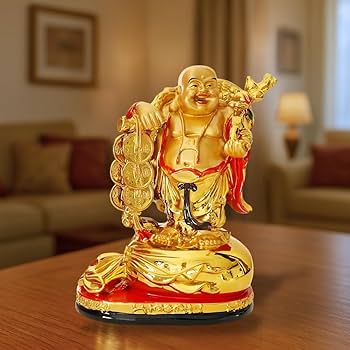
Laughing Buddha placed in an Indian living room to support calm focus and wealth-supportive decision making through feng shui placement.

Laughing Buddha Placement for Wealth in Indian Living Rooms

Laughing Buddha Placement for Wealth in Indian Living Rooms Laughing Buddha placement for wealth in Indian living rooms is often misunderstood as a ritual or belief-based practice. In reality, it works through something far more practical. Your living room shapes how your mind responds to money, pressure, and daily decisions. In Indian homes, the living room is not decorative space.It is a decision space. Family discussions happen here.Planning happens here.Financial conversations happen here. That is why placement matters more than symbolism. This guide explains how to place a Laughing Buddha in an Indian living room without superstition, using principles of environmental psychology, attention regulation, and emotional stability. Why the Living Room Matters for Wealth in Indian Homes Indian living rooms carry more cognitive load than most spaces. They are often: Compact Multi-purpose Visually dense Television.Storage.Decor.Visitors.Movement. When too many visual signals compete, the brain stays alert. Alert brains make reactive financial decisions. Not bad ones.But inconsistent ones. Feng Shui works here by reducing mental friction, not by promising money. What the Laughing Buddha Actually Does (Psychology, Not Myth) The Laughing Buddha does not “attract wealth.” It acts as a visual emotional cue. Joyful facial expressions reduce threat perception.Rounded forms reduce mental sharpness and stress.Warm metallic tones signal safety and abundance. When your eyes repeatedly land on a calm, joyful object: Stress softens Decision fatigue lowers Patience increases These are the real foundations of wealth behavior. Best Placement for Laughing Buddha in Indian Living Rooms Placement should support calm visibility, not attention grabbing. Ideal Locations On a side console or shelf, not the center table At eye or chest height, never on the floor In a low-traffic corner with clear space around it The Buddha should be seen, not passed repeatedly. High movement zones fragment attention. Direction Matters (But Not the Way You Think) Facing direction is about psychological orientation, not energy flow. Best Direction Facing into the room Facing the main seating area This creates a sense of: Welcome Stability Emotional openness Avoid facing walls or storage units. Blocked views create subconscious resistance. For the full framework on how space influences money habits and decision quality, read: 👉 Feng Shui for Wealth & Focus: How Your Space Shapes Money, Work, and Opportunity What to Avoid (Common Indian Living Room Mistakes) Most placements fail because of context, not the object. Avoid placing the Laughing Buddha: Near shoe racks Near televisions Above cluttered cabinets Near bills, documents, or unpaid notices These pair joy with stress. The brain remembers the stress more than the symbol. Size and Material: What Works Best in Indian Homes Bigger is not better. Indian homes benefit from moderate scale. Best Choices Brass or resin (warm, grounding) Simple design Minimal detailing Overly ornate statues create visual noise. Noise cancels effect. How One Placement Supports Wealth Behavior Over Time Wealth grows through: Consistency Emotional regulation Long-term thinking A correctly placed Laughing Buddha supports these by: Reducing financial anxiety Softening urgency Reinforcing calm identity It works quietly, through repetition. A Calm Supportive Option (Optional) For those who choose to use one, neutral designs work best in Indian living rooms. 👉 Explore a simple Laughing Buddha support item here Feng Shui Laughing Buddha  The Laughing Buddha represents contentment, optimism, and emotional abundance. In Feng Shui, it is associated with easing financial anxiety and reinforcing a positive relationship with success. From a behavioral perspective, symbols of joy reduce stress-driven decision making, helping the mind approach work and opportunity with calm confidence. 👉 Explore this Feng Shui support item How This Fits Into a Larger Wealth-Supportive Home The Laughing Buddha works best when paired with: Clear surfaces Balanced lighting Reduced clutter It should not be your only symbol. It should be part of a calm environment system. Internal Navigation (Recommended Next Reads) Where to Place Feng Shui Money Frog in Indian Homes Feng Shui Coins Placement for Money Discipline Wealth Bowl Placement for Home and Office Final Thought In Indian living rooms, wealth is influenced less by beliefand more by how calm decisions are made daily. The Laughing Buddha supports wealth not by magic,but by reducing the internal tension that blocks consistency. That is its real power. Affiliate Disclosure  Some links on this page may be affiliate links.If you choose to make a purchase through them, I may earn a small commission at no extra cost to you.All recommendations are optional and chosen to support clarity, focus, and intentional space design. Disclaimer This article is for educational purposes only and reflects principles of environmental psychology and emotional regulation.It does not replace financial, medical, or mental health advice.Always consult qualified professionals for personal concerns. Frequently Asked Questions: Laughing Buddha Placement in Indian Living Rooms 1. Where should I place a Laughing Buddha in an Indian living room for wealth?The best placement is in the living room, at eye level, on a clean shelf or console where it is easily visible. This placement works as a visual anchor that supports emotional balance, calm thinking, and consistent financial decision-making. Avoid placing it on the floor or in crowded areas. 2. Can Laughing Buddha be placed facing the main door in Indian homes?Yes. In many Indian households, placing the Laughing Buddha facing the main door is considered supportive. Psychologically, this creates a welcoming visual cue that helps the mind shift from external stress to internal calm when entering the home. 3. Is it okay to place a Laughing Buddha near a TV or electronics?It is better to keep the Laughing Buddha slightly away from televisions or heavy electronics. Constant visual stimulation increases mental noise. A calmer corner of the living room allows the symbol to reinforce relaxation and focus more effectively. 4. Does Laughing Buddha really attract wealth, or is it superstition?Laughing Buddha does not magically attract money. Its value lies in how it influences emotional regulation. A calm, positive visual symbol can reduce stress-driven decisions, which indirectly supports better financial habits and consistency. 5. Where should Laughing Buddha not be placed in Indian homes?Avoid placing the Laughing

Feng Shui · Wealth & Focus, Feng Shui & Environmental Psychology, Feng Shui for Indian Homes, Money & Focus Habits

Laughing Buddha Placement for Wealth in Indian Living Rooms Read Post »

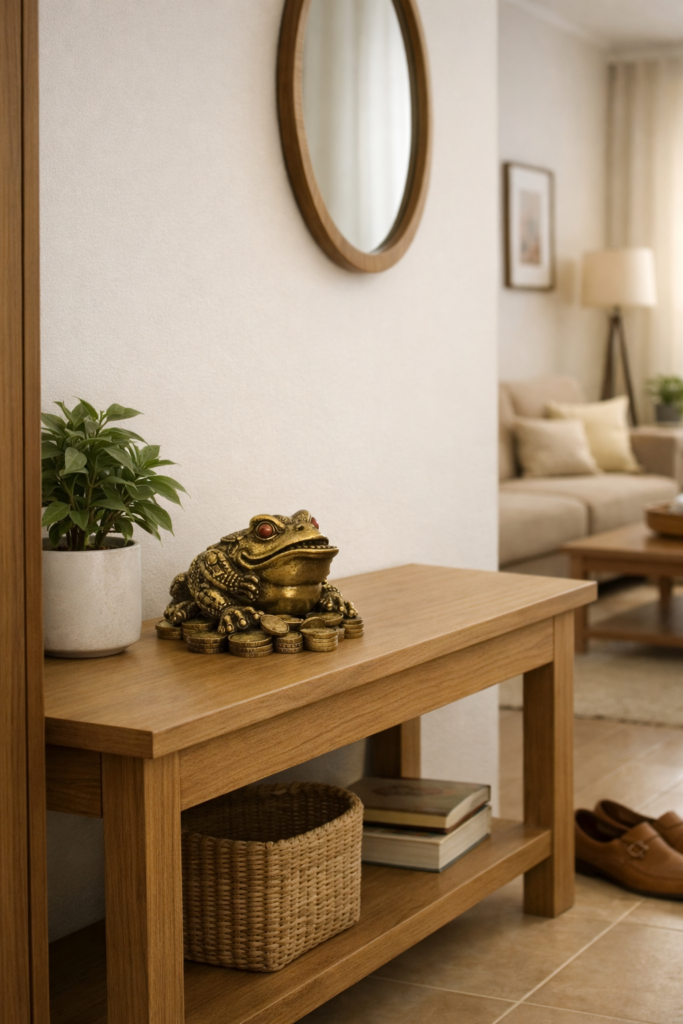
Feng Shui money frog placed neatly in an Indian home living space to support money discipline and financial focus

Where to Place Feng Shui Money Frog in Indian Homes (Practical Guide)

Where to Place Feng Shui Money Frog in Indian Homes (Practical Guide) In Indian homes, money stress rarely comes from lack of effort.It comes from mental overload. That is why where to place a Feng Shui money frog in Indian homes matters more than the object itself. This guide is not about luck.It is about attention, habits, and financial discipline—designed for flats, apartments, and compact Indian living spaces. No superstition.Only practical placement. If you want the broader framework behind how environment shapes money behavior, read the main guide here:👉 Feng Shui for Wealth & Focus: How Your Space Shapes Money, Work, and Opportunity Why Placement Matters More in Indian Homes   Indian homes are visually dense. Rooms serve many purposes.Storage is everywhere.Movement paths are tight. Because of this, the brain processes Indian homes with higher cognitive load. As a result: Focus drops faster Decisions feel heavier Money discipline weakens Feng Shui placement works when it reduces visual noise and reinforces intention. The money frog is one such anchor—when used correctly. What the Money Frog Actually Represents   The Feng Shui money frog does not attract money. Instead, it works as a behavioral cue. It represents: Awareness of cash flow Consistency in saving Respect for money decisions In psychology, this is called cue-based habit reinforcement. However, when placed incorrectly, the frog becomes background clutter—and loses impact. Best Places to Keep a Money Frog in Indian Homes   1. Near the Main Entrance (Inside, Not Outside) This is the most effective placement for Indian flats. Why it works: Entryways mark mental transitions The brain shifts from “outside stress” to “home safety” Place the frog: Just inside the main door On a low shelf or console Facing inward, not outward Avoid shoe piles or delivery clutter nearby. Result:A subtle reminder to protect and manage money, not chase it. 2. Living Room – Calm Corner Placement   Living rooms in Indian homes are decision zones. Family talks happen here.Planning happens here. Place the money frog: In a quiet corner On a stable surface Away from TV units or loud decor Keep the area clean. This placement supports: Clear discussions Reduced financial anxiety Better long-term thinking 3. Home Office or Study (Inside Storage)   For work-from-home professionals, this is powerful. However, the frog should not sit openly on the desk. Better placement: Inside a drawer Inside a cabinet Near planners or financial files This keeps the cue private and intentional. As a result, money decisions feel calmer and more deliberate. Where NOT to Place the Money Frog (Very Important)   Incorrect placement weakens its effect. Avoid these areas: ❌ Kitchen This is a consumption zone.Money cues here create mental conflict. ❌ Bedroom The brain needs rest here.Money symbols increase alertness. ❌ Bathroom Symbolically and psychologically draining. ❌ High-Traffic Walkways Constant movement breaks focus and intention. In Indian homes, traffic zones are already overstimulating. Feng Shui Money Frog Feng Shui Money Frog (Indian Homes – Subtle Placement) A Feng Shui money frog is commonly used in Indian homes as a visual cue for money awareness and discipline, not as a decoration. For Indian flats and apartments, a compact resin or brass money frog works best.It fits easily in: Living room shelves Entryway cabinets Work desks (inside drawers) From a psychological perspective, small, intentional symbols are more effective than large, attention-grabbing objects. They reinforce consistency without adding visual noise. 👉 Explore a simple Feng Shui money frog suitable for Indian homes Money Frog Placement for Flats & Apartments (India-Specific)   In 1 BHK and 2 BHK flats, space is limited. So placement must be subtle. Use these rules: One frog only One placement only Hidden is better than decorative Less visual clutter = stronger impact. Common Money Frog Mistakes Indians Make   These mistakes are very common. Using multiple frogs Treating it as decor Placing it with other symbols Ignoring clutter around it Feng Shui works best when minimal. One cue.One intention.One place. Does the Money Frog Really Help With Wealth?   Not directly. It helps by: Reducing money anxiety Reinforcing saving habits Improving decision clarity Over time, these behaviors compound. That is how results appear. How to Use This Guide Practically   Start small. Today, do just one thing: Choose one placement Clear the area Place the frog intentionally Observe how your relationship with money feels over the next week. That awareness is the real shift. Internal Navigation (Next Reads) This fits into the broader Feng Shui for wealth and focus framework Laughing Buddha Placement for Wealth in Indian Living Rooms Feng Shui Coins Placement for Money Discipline Where to Place a Wealth Bowl at Home or Office for Best Results Feng Shui Tips for Small Indian Apartments Frequently Asked Questions   1. Can I keep the money frog if I follow Vastu? Yes.Vastu defines structure.Feng Shui refines behavior inside that structure. They work together.   2. Should the money frog face inside or outside? Inside.Facing inward reinforces retention, not chasing.   3. How many money frogs should I use? One.More than one creates visual noise.   4. Can I place it openly on my desk? Better inside a drawer.Private cues work stronger for habits.   5. Is belief required for Feng Shui to work? No.Behavioral cues work even without belief. Affiliate Disclosure Some links on this page may be affiliate links.If you choose to make a purchase through them, I may earn a small commission—at no extra cost to you. All recommendations are optional and focused on clarity, not promises. Disclaimer This content is for educational purposes only.It does not replace financial, medical, or psychological advice. If financial stress or anxiety is severe or persistent, seek professional support.

Feng Shui · Wealth & Focus, Feng Shui for Indian Homes

Where to Place Feng Shui Money Frog in Indian Homes (Practical Guide) Read Post »

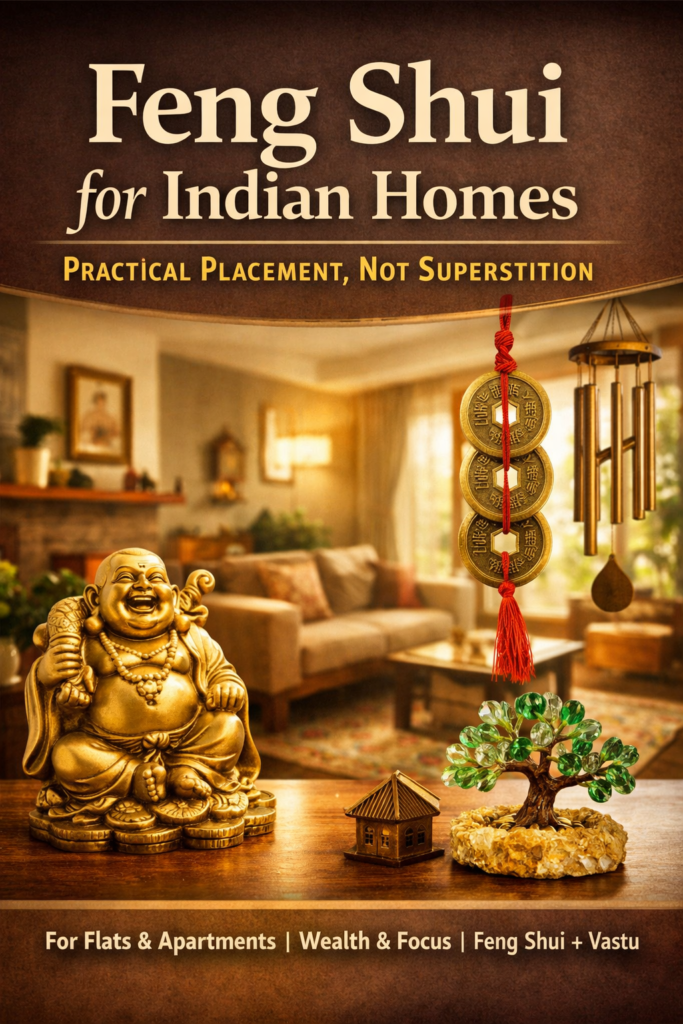
Feng Shui for Indian homes showing practical placement of wealth symbols like Laughing Buddha, coins, and plants in a calm living space

Feng Shui for Indian Homes: Practical Placement, Not Superstition

Feng Shui for Indian Homes: Practical Placement, Not Superstition Feng Shui for Indian homes is often misunderstood as belief, ritual, or superstition.In reality, it is about how physical space influences attention, stress, and decision-making—especially in the way Indian homes are built and used. If you are looking for the true Feng Shui meaning, it goes beyond simple home decor. Feng Shui is the ancient practice of organizing your living space to influence your mental state and decision-making. In modern Indian apartments, it serves as a ‘remedy’ for high-stress urban living by ensuring your environment supports your goals. In Indian households, space is rarely neutral. Rooms serve multiple purposes.Homes are compact.Daily life is busy, emotional, and mentally demanding. Because of this, placement matters more than philosophy. This guide focuses on practical Feng Shui placement for Indian homes, without blind belief, rituals, or exaggerated promises.Only what supports clarity, stability, and consistent action. If you want the full framework behind how environment shapes money habits, focus, and decision-making,you can read the complete guide here: 👉 Feng Shui for Wealth & Focus: How Your Space Shapes Money, Work, and Opportunity Why Feng Shui  for Indian Homes Works Differently.   Indian homes are structurally different from Western homes. Smaller rooms.Shared spaces.Multi-use furniture.High visual density. Because of this, the brain processes Indian living spaces with higher cognitive load. When the environment feels crowded or chaotic, the nervous system stays alert.That directly affects: Focus Financial discipline Emotional regulation Decision fatigue Feng Shui, when applied correctly, reduces environmental friction. Not by belief.But by simplifying visual input and reinforcing stability cues. Feng Shui vs Vastu in Indian Homes (Without Conflict)   Many Indian readers ask one question: “Should I follow Feng Shui or Vastu?” The answer is not either/or. Vastu focuses on directional harmony and traditional spatial rules.Feng Shui focuses on how space affects the human mind. They overlap naturally. In Indian homes, Feng Shui works best when used as: A behavioral layer A mental clarity system A placement-based support, not a replacement for Vastu You do not need to reject Vastu to use Feng Shui.You simply apply Feng Shui inside the structure you already have. High-Impact Feng Shui Zones in Indian Homes   You do not need to fix the entire house. Start with zones that directly affect money, work, and stability. 1. Entrance Area (Mental Reset Zone)   The entrance is the first signal your brain receives when you come home. If this area is cluttered, dark, or chaotic, the mind never fully relaxes. Common Indian mistakes: Shoes scattered Old bills or delivery boxes Broken decor items What helps: The Fix: Clear floor space Soft lighting One stable visual object (not many) The Result: Immediate emotional reset after a commute in Indian traffic. 2. Living Room (Decision & Interaction Zone)   In Indian homes, the living room is not just for guests.It is where conversations, planning, and family decisions happen. Overcrowded decor increases mental noise. Better approach: Fewer, meaningful objects Clear sightlines Balanced symmetry The Result: Calmer discussions and clearer long-term thinking. 3. Bedroom (Recovery & Stability Zone)   Money discipline requires rest. A restless bedroom creates emotional volatility. Common issues: Excess mirrors Storage overload Work items near the bed Feng Shui here focuses on removing stimulation, not adding symbols. Calm bedroom = stable nervous system = better long-term decisions. 4. Workspace / Study Area (Income Zone)   This is the highest-intent zone for Feng Shui in India. A cluttered workspace increases cognitive load.That makes focus harder and decisions draining. Key principles: Clear desk surface Good lighting One or two grounding objects only This directly affects productivity and income consistency. Feng Shui Wealth Symbols (Used Correctly in Indian Homes)   Symbols do not “attract money”. They act as visual anchors. When placed intentionally, they reinforce focus, discipline, and emotional balance. Below are commonly searched Feng Shui items in India, used correctly. Laughing Buddha (Emotional Stability)   Popular in Indian homes for a reason. When placed correctly, it reduces financial anxiety and emotional pressure. Best used in: Living rooms Calm corners Open shelves Avoid placing near clutter or aggressive visuals. Feng Shui Laughing Buddha (Hotei with Gold) The Laughing Buddha represents contentment, optimism, and emotional abundance. In Feng Shui, it is associated with easing financial anxiety and reinforcing a positive relationship with success. From a behavioral perspective, symbols of joy reduce stress-driven decision making, helping the mind approach work and opportunity with calm confidence. 👉 Explore this Feng Shui support item Feng Shui Coins (Discipline & Consistency) Chinese coins tied with a red thread are widely searched in India. They work best as habit cues, not decorations. Effective placements: Inside wallets Desk drawers Near work planners They reinforce consistency, not luck. Placement matters more than symbolism. If you want a clear, room-by-room explanation for Indian homes, read: 👉 Laughing Buddha Placement for Wealth in Indian Living Rooms Feng Shui Chinese Coins   Feng Shui Coins (Discipline & Consistency) Supports money discipline and consistency through subtle visual cues.Best placed in wallets or work drawers where financial decisions happen. Simple placement Inside a wallet or purse In a desk drawer near work or planning tools Best kept subtle, not decorative. 👉 Explore the Feng shui Support Item Wealth Bowl (Focus Anchor)   A wealth bowl is a visual reminder of order and intention. It works when: Placed in low-traffic areas Kept clean and intentional Not treated as a display item High-traffic placement weakens its effect. Feng Shui Wealth Bowl (Symbol of Accumulation and Stability) The Feng Shui Wealth Bowl is a symbolic reminder of accumulation, preparedness, and long-term financial thinking. Traditionally, it represents stored value rather than quick gain. From a psychological standpoint, visible symbols of abundance reinforce saving behavior, patience, and consistency — traits strongly associated with financial stability. The Wealth Bowl is often used incorrectly or overfilled without intention. What goes inside, where it is placed, and how often it is refreshed determine whether it reinforces prosperity — or becomes visual clutter. 👉 Explore this Feng Shui support

Feng Shui & Environmental Psychology, Feng Shui for Indian Homes, Money & Focus Habits

Feng Shui for Indian Homes: Practical Placement, Not Superstition Read Post »

Scroll to Top
Mind Boggling Studio logo with brain design representing mindset and thinking
Privacy Overview

This website uses cookies so that we can provide you with the best user experience possible. Cookie information is stored in your browser and performs functions such as recognising you when you return to our website and helping our team to understand which sections of the website you find most interesting and useful.