Introduction
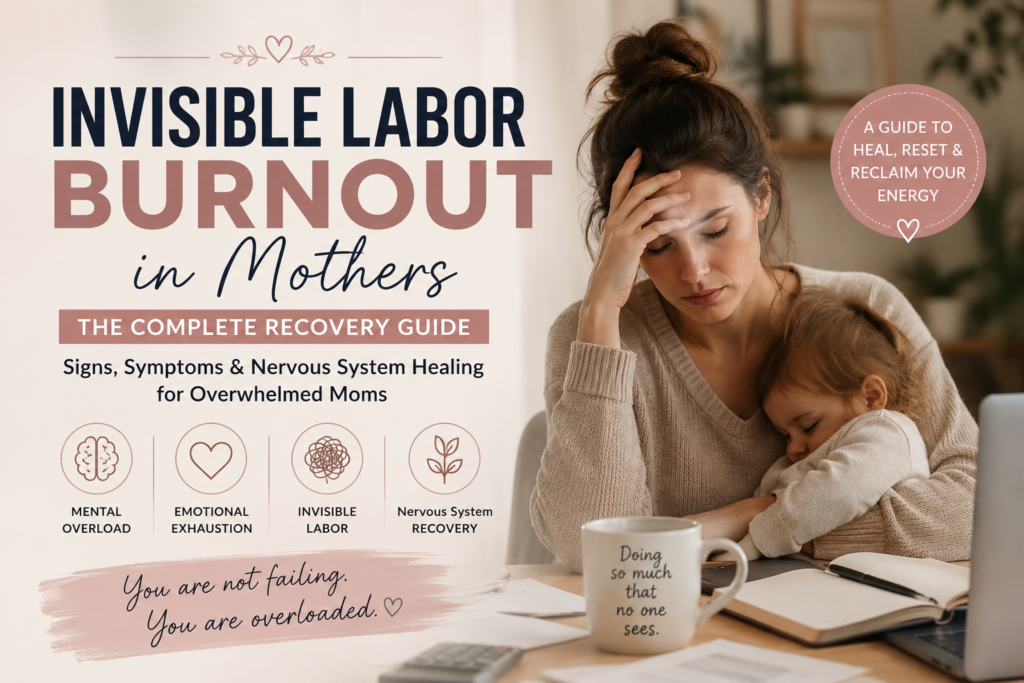
The invisible labor checklist can help explain why so many mothers feel exhausted, even when others think they “do less.”
People often notice the visible parts of motherhood, such as cooking meals, driving children to school, or cleaning the house. However, they rarely see the constant planning, remembering, organizing, and decision-making that happens behind the scenes.
Many mothers keep track of appointments, school events, grocery lists, family schedules, birthdays, and countless daily details. They anticipate problems before they happen and make sure everyone else’s needs come first. This hidden work continues throughout the day, even during moments that appear calm or restful.
Over time, these invisible responsibilities can create mental overload, emotional exhaustion, and motherhood burnout. Because this work often goes unnoticed, many mothers assume their stress is simply part of parenting. In reality, the invisible workload can affect emotional well-being just as much as physical responsibilities.
This invisible labor checklist will help you identify the hidden tasks you may carry every day. You will discover how invisible labor affects your mental health, why it contributes to burnout, and practical ways to create a healthier balance at home.
Most importantly, you will realize that you are not imagining your exhaustion. You are carrying responsibilities that deserve recognition, support, and compassion.
Affiliate Disclosure: Some of the links on this website (or in this content) are affiliate links. This means that, at no additional cost to you, I may earn a small commission if you make a purchase through these links. I only recommend products and services that I believe provide value to my audience.

What Is Invisible Labor?
The invisible labor checklist begins with understanding what invisible labor really means. Many mothers assume they simply have a lot to do. In reality, much of their workload happens inside their minds rather than in plain sight.
Invisible labor includes the planning, remembering, organizing, anticipating, and decision-making that keeps a family running smoothly. Unlike physical tasks, this work often goes unnoticed because it happens behind the scenes.
Although others may not see it, invisible labor requires constant attention, mental energy, and emotional effort.
Understanding Invisible Labor in Motherhood
Every day, mothers manage dozens of responsibilities that rarely appear on a to-do list.
They remember doctor’s appointments, keep track of school activities, plan meals, monitor household supplies, arrange childcare, and anticipate their family’s needs before anyone asks.
Many mothers also provide ongoing emotional labor. They comfort children, resolve conflicts, celebrate milestones, and support loved ones through difficult moments.
These responsibilities may seem small on their own. Together, however, they create a significant mental and emotional workload.
Why Invisible Work Often Goes Unnoticed
Invisible work is difficult to recognize because people usually notice the outcome instead of the effort.
A child arrives at school on time. Dinner appears on the table. Birthday gifts are purchased before the celebration. Household supplies never seem to run out.
Behind each of these moments lies careful planning, organization, and countless small decisions.
Because much of this work happens quietly, many mothers receive little recognition for the time and energy they invest. As a result, they may begin to believe that feeling overwhelmed is simply part of motherhood.
Invisible Labor vs Physical Household Chores
Physical chores usually have a clear beginning and end. You wash the dishes, fold the laundry, or vacuum the floor.
Invisible labor continues long after those tasks finish.
For example, cooking dinner also involves planning meals, checking the pantry, writing a shopping list, buying groceries, remembering dietary needs, and deciding what everyone will eat. The visible task may take an hour, but the invisible work often starts much earlier.
This is why the invisible labor checklist matters. It helps mothers recognize the hidden responsibilities they carry every day. Once these responsibilities become visible, families can begin sharing them more fairly and reducing the mental burden that often leads to stress and burnout.
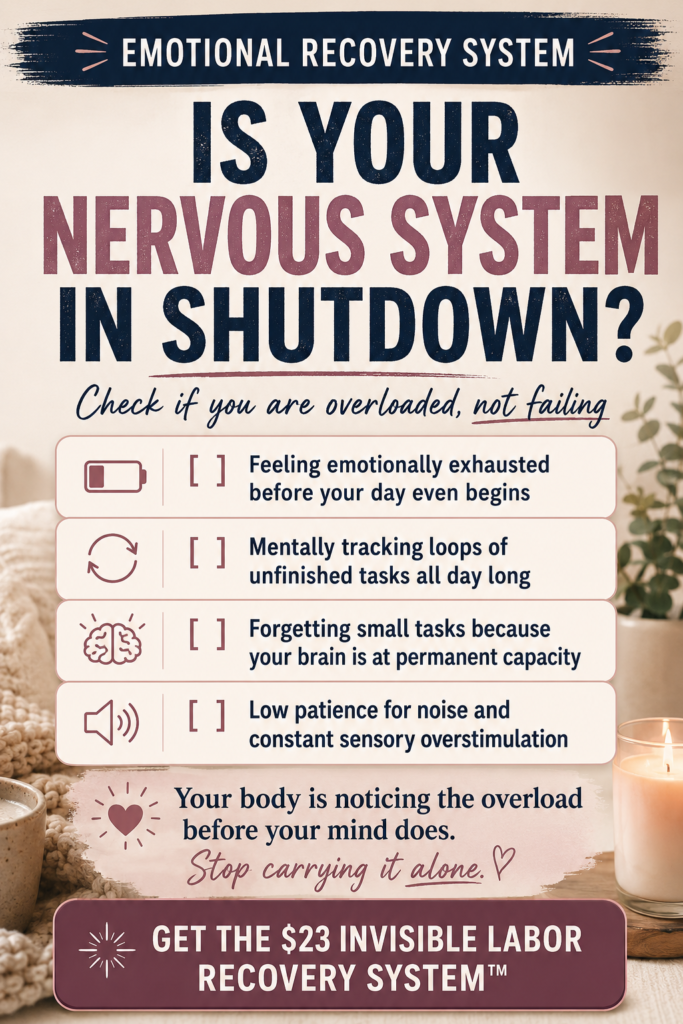
Looking for a gentle recovery framework?
The Invisible Labor Recovery System™ was created specifically for overwhelmed moms carrying invisible mental and emotional labor.
The Ultimate Invisible Labor Checklist Every Mom Should Read
Many mothers underestimate how much they do because much of their work happens behind the scenes. This invisible labor checklist is designed to help you recognize the hidden responsibilities that often go unnoticed but require constant time, attention, and mental energy.
If these hidden responsibilities leave you feeling constantly drained, you may already be experiencing invisible labor burnout in mothers. Learn how to recognize the warning signs and begin your recovery.
As you read through each section, ask yourself one simple question:
“Am I usually the person who remembers, plans, organizes, or manages these tasks?”
If you answer “yes” to many of them, you are carrying a significant invisible workload. Recognizing these responsibilities is the first step toward sharing them more fairly and reducing the pressure they place on your daily life.
Family Planning and Scheduling
A well-organized family rarely happens by chance. Behind every appointment, school event, and family gathering is someone who remembers the details and keeps everything on track.
You may regularly:
-
Remember birthdays, anniversaries, and special occasions
-
Schedule doctor’s, dental, and medical appointments
-
Keep track of school calendars and important deadlines
-
Plan family vacations and weekend activities
-
Coordinate sports practices and extracurricular schedules
-
Arrange childcare when plans change
-
Organize the family’s weekly calendar
-
Plan meals for the week
-
Prepare for holidays and family celebrations
-
Remind everyone where they need to be and when
Although these tasks often seem small, they require continuous planning and attention.
Household Management
Keeping a home running smoothly involves much more than cleaning and cooking. Someone has to notice what needs attention before it becomes a problem.
You may be responsible for:
-
Checking pantry and grocery supplies
-
Creating shopping lists
-
Replacing household essentials before they run out
-
Planning laundry and cleaning routines
-
Organizing storage and household supplies
-
Scheduling home repairs and maintenance
-
Managing deliveries and returns
-
Preparing the home for guests
-
Remembering seasonal household tasks
-
Keeping the household organized from day to day
These motherhood responsibilities often happen quietly, making them easy for others to overlook.
Childcare and School Responsibilities
Children bring joy, but they also require constant planning behind the scenes.
You may regularly:
-
Pack school bags and lunches
-
Monitor homework and assignments
-
Communicate with teachers
-
Sign permission forms
-
Schedule vaccinations and medical checkups
-
Buy clothes as children grow
-
Plan birthday parties and celebrations
-
Arrange playdates
-
Prepare children for school events
-
Remember everything your child needs before leaving the house
Most people notice the school run. Few notice everything that happens beforehand.
Emotional Labor Within the Family
One of the most demanding parts of the invisible labor checklist is emotional labor. This work rarely appears on a calendar, yet it requires constant awareness and compassion.
You may regularly:
-
Comfort upset family members
-
Help children manage difficult emotions
-
Resolve disagreements
-
Encourage and motivate loved ones
-
Notice when someone needs extra support
-
Help everyone feel included
-
Remember what makes each family member feel cared for
-
Keep family traditions alive
-
Celebrate achievements and milestones
-
Create a calm and supportive home environment
Although no one can see this work, it often requires just as much energy as physical tasks.
Financial and Administrative Tasks
Many mothers also manage the paperwork and planning that keep the household functioning.
You may regularly:
-
Pay bills on time
-
Track household expenses
-
Create and manage a family budget
-
Complete school and medical paperwork
-
Renew insurance, memberships, and subscriptions
-
Organize important documents
-
Schedule vehicle servicing
-
Compare prices before major purchases
-
Plan for upcoming family expenses
-
Keep financial records organized
These responsibilities often stay invisible because they happen quietly in the background.
Relationship and Social Responsibilities
Healthy relationships also require planning and attention.
You may regularly:
-
Remember birthdays and anniversaries
-
Buy gifts for family and friends
-
Organize holiday celebrations
-
Plan family gatherings
-
Keep in touch with relatives
-
Coordinate visits with grandparents
-
Send invitations and thank-you messages
-
Maintain family traditions
-
Help children build friendships
-
Make sure no important occasion is forgotten
These thoughtful actions strengthen relationships, but they also add to your invisible workload.
Self-Care Tasks You Never Have Time For
While caring for everyone else, many mothers postpone caring for themselves.
Ask yourself how often you make time to:
-
Schedule your own medical appointments
-
Exercise regularly
-
Read a book for enjoyment
-
Spend time with friends
-
Practice mindfulness or relaxation
-
Enjoy a hobby
-
Take breaks without feeling guilty
-
Get enough sleep
-
Ask for help when you need it
-
Protect time that belongs only to you
If many of these tasks stay unfinished, you are not failing. You are likely carrying more responsibilities than one person can reasonably manage.
The purpose of this invisible labor checklist is not to measure how hard you work. It is to make the hidden visible. Once you recognize your invisible workload, you can begin sharing responsibilities, setting healthier boundaries, and creating space for rest, recovery, and a more balanced family life.
10 Signs Invisible Labor Is Affecting Your Well-Being
Invisible labor often builds slowly. Most mothers do not notice its impact overnight because these responsibilities become part of everyday life. Over time, however, the constant planning, organizing, remembering, and emotional support can drain your mental and emotional energy.
If several of these signs sound familiar, your invisible workload may be affecting your well-being more than you realize.
Sign #1: You Feel Mentally Exhausted Every Day
Feeling tired after a busy day is normal. Feeling mentally exhausted every morning is not.
Many mothers wake up thinking about appointments, school schedules, meals, bills, and everything that needs attention before the day has even started. Your body may have rested, but your mind never truly switched off.
Sign #2: You Constantly Think About What Needs Doing
Do you always have a running to-do list in your head?
You may think about groceries while working, school forms while cooking dinner, or tomorrow’s appointments while trying to relax. Even during quiet moments, your brain continues planning the next task.
This constant mental activity is one of the clearest signs of invisible labor.
This ongoing mental checklist is part of the mental load in motherhood, where the responsibility of remembering, planning, and anticipating every detail becomes mentally exhausting.
Sign #3: You Feel Responsible for Everyone
Many mothers naturally care for the people they love. However, invisible labor often creates the feeling that everything depends on you.
You remind everyone about important events, solve problems, organize schedules, and make sure daily life stays on track. When something goes wrong, you may blame yourself, even when it was beyond your control.
Sign #4: Rest Makes You Feel Uncomfortable
Rest should help you recharge.
Instead, you may feel guilty whenever you sit down. You look around the house, notice unfinished tasks, or think about everything you still need to do.
As a result, relaxing feels unproductive rather than restorative.
Sign #5: You Struggle to Focus
Your brain can only process so much information at once.
When invisible labor fills your mind, it becomes harder to concentrate. You may forget conversations, lose your train of thought, or struggle to complete simple tasks without distractions.
This does not mean you are becoming forgetful. It often means your mental capacity has reached its limit.
Sign #6: You Feel Unappreciated
Invisible work often goes unnoticed.
Your family may appreciate clean clothes, cooked meals, and organized schedules without realizing how much planning happens behind the scenes.
When your efforts receive little recognition, you may begin to feel unseen or taken for granted. Over time, these feelings can affect your confidence and emotional well-being.
Sign #7: Small Tasks Feel Overwhelming
Tasks that once felt simple may suddenly seem difficult.
Replying to an email, making a phone call, or planning dinner can feel like too much because your mind already carries dozens of unfinished responsibilities.
This feeling does not reflect laziness. It often signals mental overload.
Sign #8: You Rarely Prioritize Yourself
Many mothers spend their day caring for everyone else before thinking about their own needs.
You postpone doctor’s appointments, skip exercise, cancel plans with friends, or ignore your own need for rest because someone else always seems to need you first.
Over time, this pattern leaves little room to recover emotionally or physically.
Sign #9: You Feel Guilty Asking for Help
Many women believe they should manage everything on their own.
You may worry about burdening others or think it feels easier to do the task yourself. However, carrying every responsibility alone increases stress and makes recovery more difficult.
Asking for help shows strength, not weakness.
Sign #10: You Feel Burned Out
When invisible labor continues without enough support or recovery, it can contribute to motherhood burnout.
Many overwhelmed moms describe feeling emotionally drained, mentally exhausted, and unable to enjoy the activities they once loved. Even small responsibilities may feel overwhelming.
Recognizing these signs is an important first step. Once you acknowledge the impact of invisible labor, you can begin sharing responsibilities, setting healthier boundaries, and creating space to recover before burnout becomes even more severe.
Why Invisible Labor Leads to Motherhood Burnout
Many mothers accept invisible labor as a normal part of parenting. They plan, organize, remember, and manage countless responsibilities every day without expecting recognition. While these tasks may seem small on their own, they create a heavy mental and emotional burden over time.
Without regular opportunities to rest or share responsibilities, this ongoing pressure can contribute to motherhood burnout. What begins as daily stress can gradually affect emotional health, energy levels, and overall well-being.
The Mental Cost of Constant Responsibility
Carrying constant responsibility requires more than physical effort. It demands continuous attention.
Many mothers spend their day anticipating problems, making decisions, remembering important details, and meeting the needs of others before their own. Even when one task ends, another quickly takes its place.
As a result, the brain rarely has a chance to fully relax. Over weeks, months, and even years, this constant mental effort can leave mothers feeling emotionally drained and mentally exhausted.
How Invisible Labor Affects Emotional Health
Invisible labor affects more than productivity. It also influences emotional well-being.
Many mothers feel pressure to stay organized, remain patient, and support everyone around them, even when they feel overwhelmed themselves. At the same time, they often suppress their own needs so they can focus on their families.
This ongoing emotional labor can reduce resilience and increase feelings of frustration, sadness, or emotional exhaustion. Without enough recovery time, it becomes more difficult to cope with everyday challenges.
Over time, many mothers begin to feel as though they are surviving each day instead of enjoying it.
Why Chronic Stress Builds Over Time
Stress becomes harder to manage when it never truly ends.
Invisible labor does not stop after dinner, bedtime, or the weekend. Tomorrow brings another schedule to organize, another decision to make, and another list of responsibilities to manage.
If these feelings sound familiar, you may be experiencing emotional exhaustion in mothers, a condition that often develops after carrying invisible responsibilities for too long.
As this cycle continues, stress gradually accumulates. Without support, healthy boundaries, or time to recover, many mothers move closer to motherhood burnout.
Recognizing the impact of invisible labor is the first step toward change. When families acknowledge these hidden responsibilities and share them more fairly, mothers gain more time to rest, recover, and protect their emotional well-being.

How to Share Invisible Labor Without Feeling Guilty
Many mothers believe they have to manage everything themselves. They worry that asking for help will inconvenience others or make them seem less capable. However, carrying every responsibility alone is not sustainable.
Learning to reduce mental load does not mean doing less for your family. It means creating a healthier way to share responsibilities so no one person carries the entire invisible workload.
Make Invisible Work Visible
The first step is helping others understand everything you manage each day.
Many family members see completed tasks but never notice the planning behind them. They may not realize how much time you spend remembering appointments, organizing schedules, planning meals, or anticipating everyone’s needs.
Use your invisible labor checklist as a conversation starter. Walk through the hidden responsibilities you manage and explain how they affect your time and energy.
When invisible work becomes visible, others are more likely to understand why support matters.
Share Ownership, Not Just Tasks
Delegating a task is helpful, but sharing ownership creates lasting change.
For example, asking someone to take the children to the dentist still leaves you responsible if you schedule the appointment, complete the paperwork, and send reminders.
Instead, transfer the entire responsibility whenever possible. Allow another family member to plan, organize, remember, and complete the task from beginning to end.
Sharing ownership reduces your mental burden and encourages everyone to contribute more equally.
Build Family Systems That Reduce Mental Load
Simple systems can prevent one person from remembering everything.
Use shared calendars, meal plans, family planners, shopping lists, or reminder apps that everyone can access. Hold a short family planning meeting each week to discuss schedules and responsibilities.
When information lives in a shared system instead of one person’s memory, daily life becomes easier for everyone.
The goal is not perfect organization. The goal is to make responsibilities visible and easier to share.
Let Go of Perfection
Many mothers place unrealistic expectations on themselves.
They believe they should remember every detail, solve every problem, and keep everything running perfectly. These expectations often increase stress and make it harder to ask for help.
Accept that different does not mean wrong.
When family members complete tasks in their own way, resist the urge to take over. Allowing others to learn and contribute creates a healthier balance over time.
Ask for Support Early
Many overwhelmed moms wait until they feel completely exhausted before asking for help.
Instead, make support part of your routine rather than your last resort.
Talk openly with your partner or family about sharing responsibilities. Accept help when it is offered, and ask for assistance before stress becomes overwhelming.
Remember, asking for support does not make you less capable. It helps protect your energy, strengthen family teamwork, and prevent long-term burnout.
Reducing invisible labor is not about doing everything perfectly. It is about creating a family where responsibilities, planning, and emotional support are shared more fairly. Small changes today can lead to a lighter mental load and a healthier, more balanced life tomorrow.
How to Share Invisible Labor Without Feeling Guilty
Many mothers believe they have to manage everything themselves. They worry that asking for help will inconvenience others or make them seem less capable. However, carrying every responsibility alone is not sustainable.
Learning to reduce mental load does not mean doing less for your family. It means creating a healthier way to share responsibilities so no one person carries the entire invisible workload.
Make Invisible Work Visible
The first step is helping others understand everything you manage each day.
Many family members see completed tasks but never notice the planning behind them. They may not realize how much time you spend remembering appointments, organizing schedules, planning meals, or anticipating everyone’s needs.
Use your invisible labor checklist as a conversation starter. Walk through the hidden responsibilities you manage and explain how they affect your time and energy.
When invisible work becomes visible, others are more likely to understand why support matters.
Share Ownership, Not Just Tasks
Delegating a task is helpful, but sharing ownership creates lasting change.
For example, asking someone to take the children to the dentist still leaves you responsible if you schedule the appointment, complete the paperwork, and send reminders.
Instead, transfer the entire responsibility whenever possible. Allow another family member to plan, organize, remember, and complete the task from beginning to end.
Sharing ownership reduces your mental burden and encourages everyone to contribute more equally.
Build Family Systems That Reduce Mental Load
Simple systems can prevent one person from remembering everything.
Use shared calendars, meal plans, family planners, shopping lists, or reminder apps that everyone can access. Hold a short family planning meeting each week to discuss schedules and responsibilities.
When information lives in a shared system instead of one person’s memory, daily life becomes easier for everyone.
The goal is not perfect organization. The goal is to make responsibilities visible and easier to share.
Let Go of Perfection
Many mothers place unrealistic expectations on themselves.
They believe they should remember every detail, solve every problem, and keep everything running perfectly. These expectations often increase stress and make it harder to ask for help.
Accept that different does not mean wrong.
When family members complete tasks in their own way, resist the urge to take over. Allowing others to learn and contribute creates a healthier balance over time.
Ask for Support Early
Many overwhelmed moms wait until they feel completely exhausted before asking for help.
Instead, make support part of your routine rather than your last resort.
Talk openly with your partner or family about sharing responsibilities. Accept help when it is offered, and ask for assistance before stress becomes overwhelming.
Remember, asking for support does not make you less capable. It helps protect your energy, strengthen family teamwork, and prevent long-term burnout.
Reducing invisible labor is not about doing everything perfectly. It is about creating a family where responsibilities, planning, and emotional support are shared more fairly. Small changes today can lead to a lighter mental load and a healthier, more balanced life tomorrow.
Daily Habits That Reduce Invisible Labor
Reducing invisible labor does not require a complete lifestyle overhaul. Small, consistent habits can make everyday responsibilities easier to manage while protecting your time and energy.
The goal is not to do everything perfectly. Instead, focus on creating routines that reduce mental effort and support long-term burnout recovery for moms.
Create Shared Routines
Family routines work best when everyone knows their responsibilities.
Instead of reminding family members every day, create simple routines that encourage independence. Children can pack their school bags, partners can manage specific household tasks, and everyone can help maintain shared spaces.
When responsibilities become shared habits, you spend less time managing every detail.
Write Things Down
You do not have to remember everything.
Use a family calendar, shared shopping list, meal planner, or reminder app to keep important information in one place. Encourage everyone in the household to check and update these tools regularly.
Moving tasks out of your mind and into a trusted system reduces mental pressure and makes daily life feel more manageable.
Protect Your Energy
Your energy is a limited resource, so treat it like one.
Say no to unnecessary commitments, take short breaks during the day, and allow yourself to pause without guilt. Even a few quiet minutes can help you reset and approach the rest of the day with greater focus.
Protecting your energy is an important part of preventing stress from building over time.
Celebrate Small Wins
Many mothers move from one responsibility to the next without acknowledging everything they have accomplished.
Take a moment each day to recognize your progress, even if it feels small. Every shared responsibility, completed task, or healthy boundary is a step toward a lighter mental load.
Small changes practiced consistently can reduce invisible labor, support burnout recovery for moms, and help create a healthier, more balanced family life.
Conclusion: You Are Doing More Than Anyone Sees
If there is one message to take away from this invisible labor checklist, let it be this: you are doing far more than most people realize.
The planning, remembering, organizing, worrying, comforting, and problem-solving you do every day may not always be visible, but that does not make it any less valuable. Invisible work keeps families running, creates stability, and helps the people you love feel safe and supported.
If you have been feeling exhausted, overwhelmed, or emotionally drained, it does not mean you are lazy or failing. It often means you have been carrying responsibilities that were never meant for one person alone.
The good news is that change is possible.
Recovery begins with awareness. Once you recognize the hidden weight of invisible labor, you can start having honest conversations, sharing responsibilities more fairly, and letting go of the belief that you must do everything yourself.
Remember to show yourself the same kindness and compassion that you so freely give to others. Emotional recovery is not about becoming a perfect parent or running a perfect home. It is about creating healthier habits, protecting your energy, and allowing yourself the grace to rest.
Every small step matters. Asking for help, setting boundaries, using shared routines, and accepting support are all meaningful parts of burnout recovery for moms. Over time, these small changes can lighten your mental load and improve your overall well-being.
Above all, remember this: you do not have to carry everything alone. Your work matters. Your health matters. And you deserve support just as much as everyone else you care for.
Taking the first step toward recognizing invisible labor is also the first step toward a healthier, happier, and more balanced life.