Emotional Safety and Anxiety: Why the Body Must Feel Safe First
Anxiety is often treated as a thinking problem.
It is not.
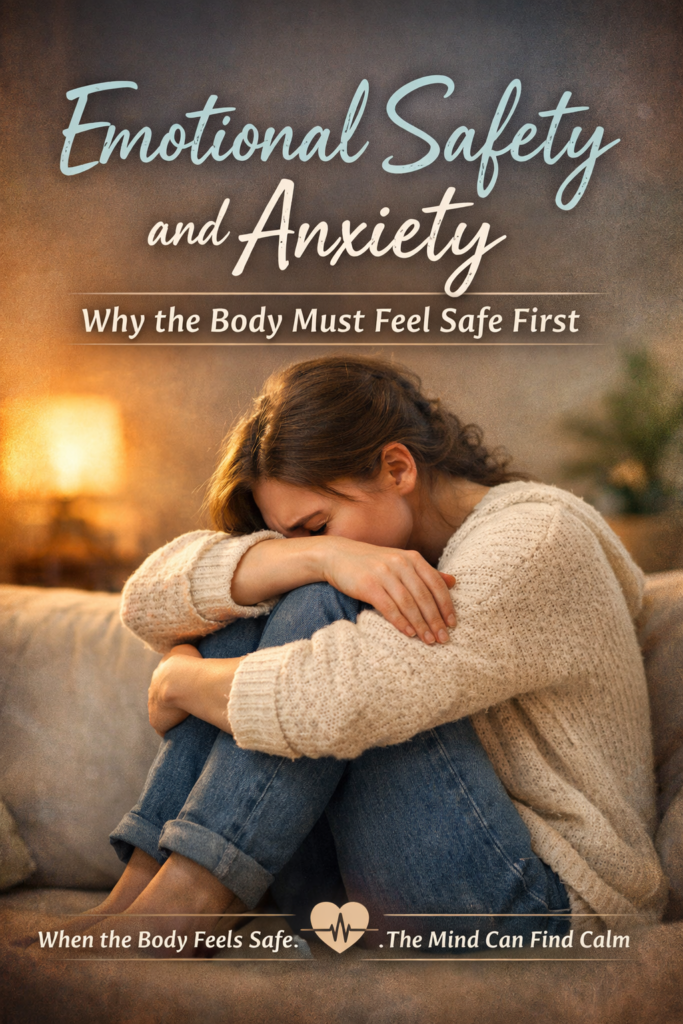
Anxiety is a lack of emotional safety in the body.
Until the body feels safe, the mind stays alert. Thoughts race. Emotions intensify. Reassurance does not stick.
This is why anxiety feels logical during the day but overwhelming in quiet moments.
What Emotional Safety Actually Means
Emotional safety does not mean comfort.
It means the nervous system believes:
“I am not in danger right now.”
This belief is physical, not intellectual.
The body decides safety before the mind forms thoughts about it.
Why Anxiety Persists Even When Life Is “Fine”
Many people say:
“I know nothing is wrong, but I still feel anxious.”
That happens when:
Stress has accumulated
The nervous system never fully downshifts
The body stays in alert mode
Anxiety continues because the body has not received enough signals of safety.
Logic cannot override this.
The Nervous System Always Scans for Safety
Your nervous system constantly asks:
Am I safe?
Am I supported?
Can I relax right now?
If the answer is unclear, the body prepares for threat.
That preparation feels like:
Anxiety
Restlessness
Tension
Overthinking
Thoughts are a result, not the cause.
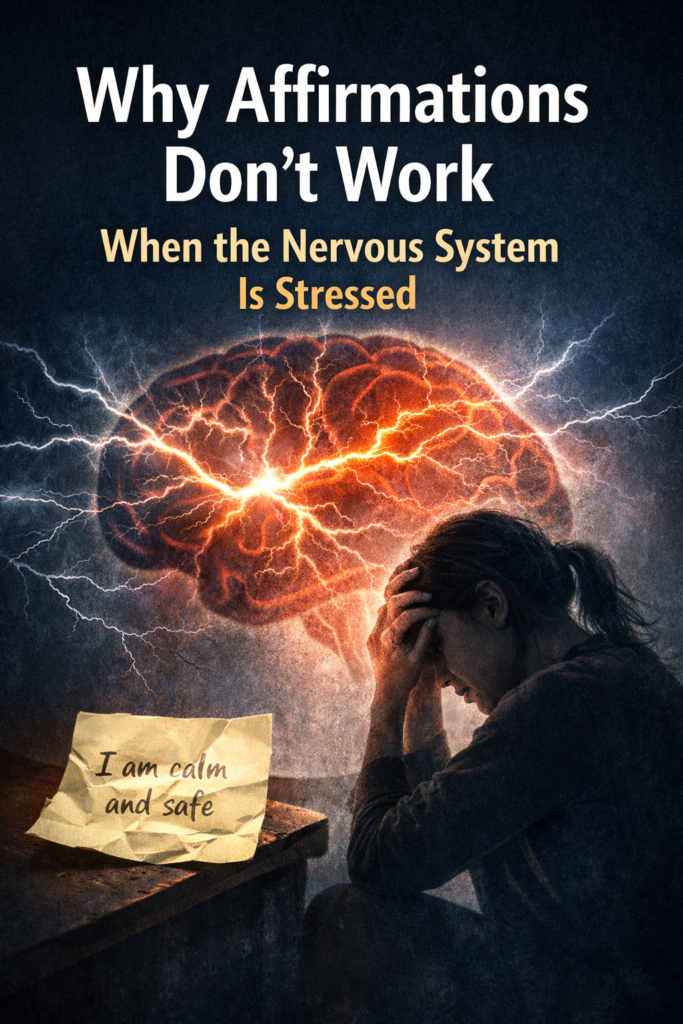
Why Reassurance and Positive Thinking Fail
Reassurance works only after safety is felt.
When the nervous system is activated:
Words feel hollow
Logic feels distant
Calm feels unreachable
This is why anxiety does not respond well to advice like:
“Just relax.”
“Nothing bad is happening.”
The body does not believe it yet.
Emotional Safety Comes From the Body Up
Safety is communicated through physical cues, such as:
Slow, steady breathing
Reduced sensory input
Stillness
Gentle pressure
These signals tell the nervous system:
“You can stand down.”
Once the body feels safe, the mind stops scanning for problems.
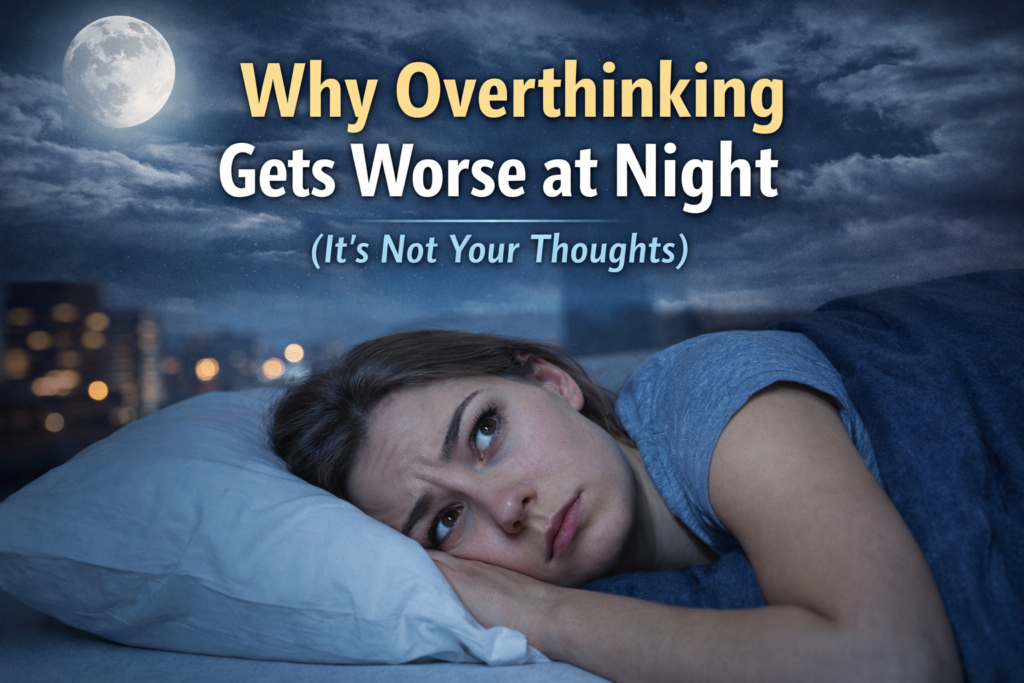
Why This Matters for Anxiety at Night
At night:
Distractions disappear
Sensory input drops
Internal signals get louder
If emotional safety is missing, anxiety rises.
This is why nighttime anxiety feels stronger and harder to control.
The body is asking for safety, not explanations.
Supporting Emotional Safety Before Mindset Work
Many people try to think their way into calm.
That rarely works during anxiety.
What helps more is supporting the body first so the nervous system can downshift.
Some people use simple physical grounding tools to provide consistent safety signals before sleep or during anxiety spikes.
If you want a clear, psychology-based explanation of which tools help calm the nervous system effectively, this guide explains it step by step:
👉 Best Weighted Eye Mask for Anxiety & Overthinking (Psychologist-Backed Guide)
Emotional Safety Is the Foundation of Healing
Anxiety does not mean something is wrong with you.
It means your body has not felt safe enough yet.
When emotional safety becomes consistent:
Anxiety softens
Thoughts slow down
Regulation becomes easier
This is not force.
It is support.
Final Thought
You do not need to fight anxiety.
You need to help your body feel safe first.
When safety is present, the mind follows.
Frequently Asked Questions
What is emotional safety in anxiety?
Emotional safety means the nervous system feels secure enough to relax, reducing anxiety responses.
Why does anxiety persist even when nothing is wrong?
Because the body has not received enough signals of safety, keeping the nervous system alert.
Can emotional safety reduce anxiety?
Yes. When emotional safety increases, anxiety often decreases naturally.
Why does anxiety feel worse at night?
Because distractions fade and the nervous system becomes more sensitive to internal stress signals.
Disclaimer:
This content is for educational purposes only and is not medical advice. Always consult a qualified professional for mental health concerns.