
Feng Shui for Indian Homes: Practical Placement, Not Superstition
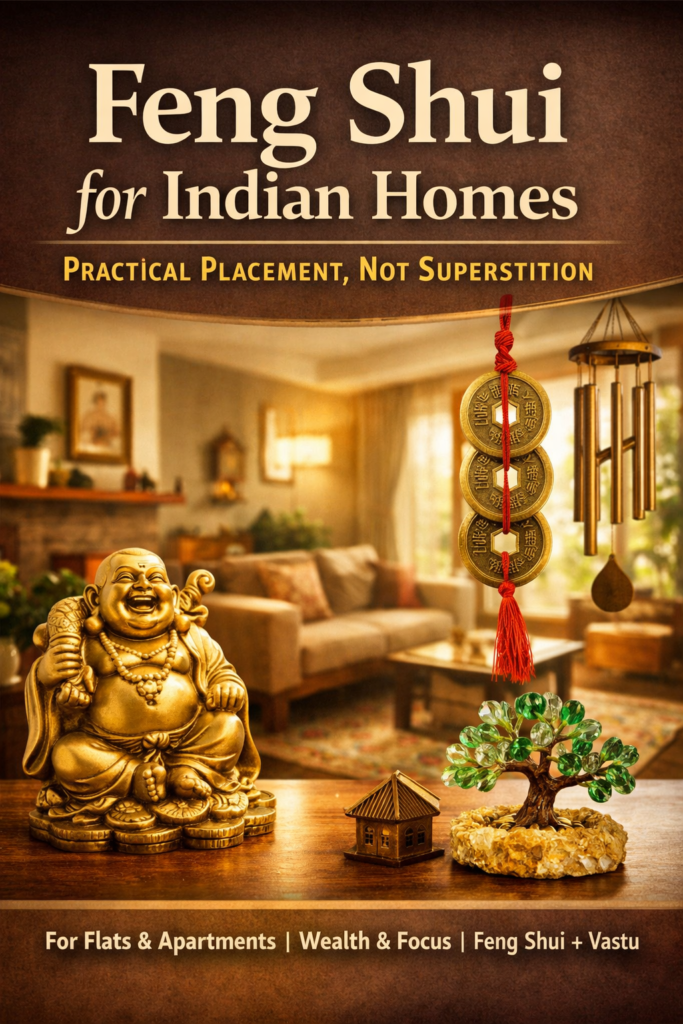
Feng Shui for Indian homes is often misunderstood as belief, ritual, or superstition.
In reality, it is about how physical space influences attention, stress, and decision-making—especially in the way Indian homes are built and used.
If you are looking for the true Feng Shui meaning, it goes beyond simple home decor. Feng Shui is the ancient practice of organizing your living space to influence your mental state and decision-making.
In modern Indian apartments, it serves as a ‘remedy’ for high-stress urban living by ensuring your environment supports your goals.
In Indian households, space is rarely neutral.
Rooms serve multiple purposes.
Homes are compact.
Daily life is busy, emotional, and mentally demanding.
Because of this, placement matters more than philosophy.
This guide focuses on practical Feng Shui placement for Indian homes, without blind belief, rituals, or exaggerated promises.
Only what supports clarity, stability, and consistent action.
If you want the full framework behind how environment shapes money habits, focus, and decision-making,
you can read the complete guide here:
👉 Feng Shui for Wealth & Focus: How Your Space Shapes Money, Work, and Opportunity
Why Feng Shui for Indian Homes Works Differently.
Indian homes are structurally different from Western homes.
Smaller rooms.
Shared spaces.
Multi-use furniture.
High visual density.
Because of this, the brain processes Indian living spaces with higher cognitive load.
When the environment feels crowded or chaotic, the nervous system stays alert.
That directly affects:
Focus
Financial discipline
Emotional regulation
Decision fatigue
Feng Shui, when applied correctly, reduces environmental friction.
Not by belief.
But by simplifying visual input and reinforcing stability cues.
Feng Shui vs Vastu in Indian Homes (Without Conflict)
Many Indian readers ask one question:
“Should I follow Feng Shui or Vastu?”
The answer is not either/or.
Vastu focuses on directional harmony and traditional spatial rules.
Feng Shui focuses on how space affects the human mind.
They overlap naturally.
In Indian homes, Feng Shui works best when used as:
A behavioral layer
A mental clarity system
A placement-based support, not a replacement for Vastu
You do not need to reject Vastu to use Feng Shui.
You simply apply Feng Shui inside the structure you already have.
High-Impact Feng Shui Zones in Indian Homes
You do not need to fix the entire house.
Start with zones that directly affect money, work, and stability.
1. Entrance Area (Mental Reset Zone)
The entrance is the first signal your brain receives when you come home.
If this area is cluttered, dark, or chaotic, the mind never fully relaxes.
Common Indian mistakes:
Shoes scattered
Old bills or delivery boxes
Broken decor items
What helps: The Fix:
Clear floor space
Soft lighting
One stable visual object (not many)
The Result: Immediate emotional reset after a commute in Indian traffic.
2. Living Room (Decision & Interaction Zone)
In Indian homes, the living room is not just for guests.
It is where conversations, planning, and family decisions happen.
Overcrowded decor increases mental noise.
Better approach:
Fewer, meaningful objects
Clear sightlines
Balanced symmetry
The Result: Calmer discussions and clearer long-term thinking.
3. Bedroom (Recovery & Stability Zone)
Money discipline requires rest.
A restless bedroom creates emotional volatility.
Common issues:
Excess mirrors
Storage overload
Work items near the bed
Feng Shui here focuses on removing stimulation, not adding symbols.
Calm bedroom = stable nervous system = better long-term decisions.
4. Workspace / Study Area (Income Zone)
This is the highest-intent zone for Feng Shui in India.
A cluttered workspace increases cognitive load.
That makes focus harder and decisions draining.
Key principles:
Clear desk surface
Good lighting
One or two grounding objects only
This directly affects productivity and income consistency.
Feng Shui Wealth Symbols (Used Correctly in Indian Homes)
Symbols do not “attract money”.
They act as visual anchors.
When placed intentionally, they reinforce focus, discipline, and emotional balance.
Below are commonly searched Feng Shui items in India, used correctly.
Laughing Buddha (Emotional Stability)
Popular in Indian homes for a reason.
When placed correctly, it reduces financial anxiety and emotional pressure.
Best used in:
Living rooms
Calm corners
Open shelves
Avoid placing near clutter or aggressive visuals.
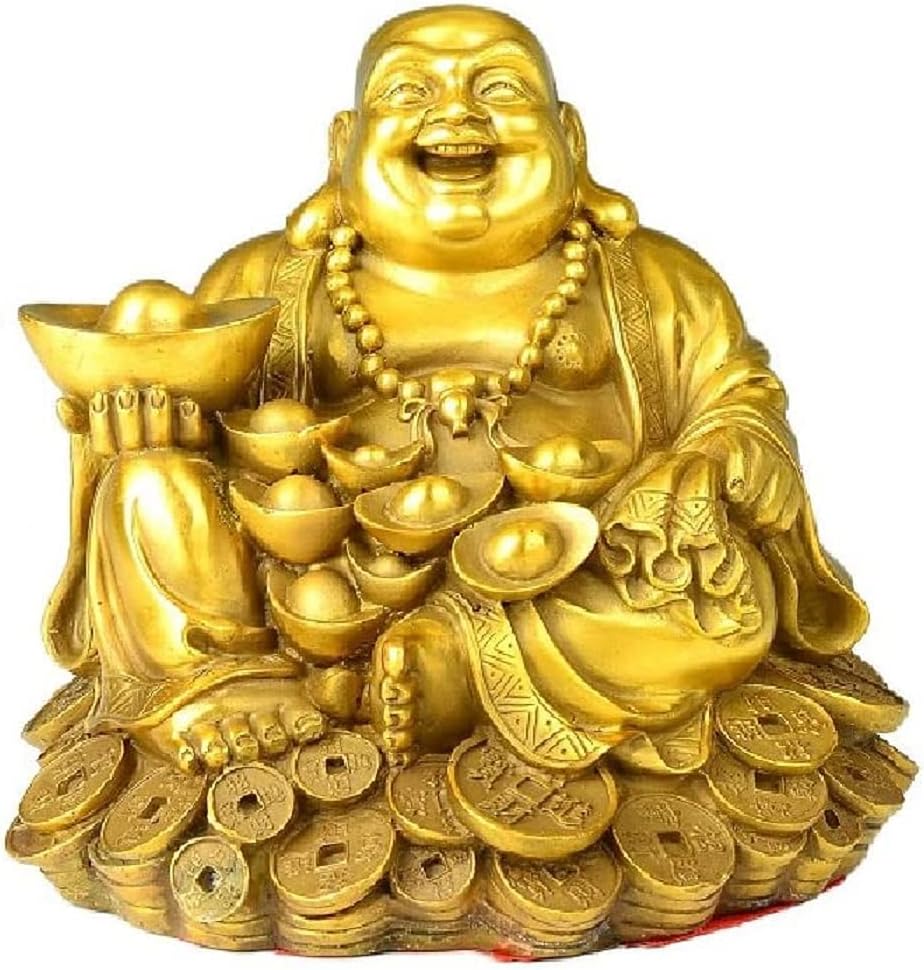
Feng Shui Laughing Buddha (Hotei with Gold)
The Laughing Buddha represents contentment, optimism, and emotional abundance. In Feng Shui, it is associated with easing financial anxiety and reinforcing a positive relationship with success.
From a behavioral perspective, symbols of joy reduce stress-driven decision making, helping the mind approach work and opportunity with calm confidence.
Feng Shui Coins (Discipline & Consistency)
Chinese coins tied with a red thread are widely searched in India.
They work best as habit cues, not decorations.
Effective placements:
Inside wallets
Desk drawers
Near work planners
They reinforce consistency, not luck.
Placement matters more than symbolism.
If you want a clear, room-by-room explanation for Indian homes, read:
👉 Laughing Buddha Placement for Wealth in Indian Living Rooms
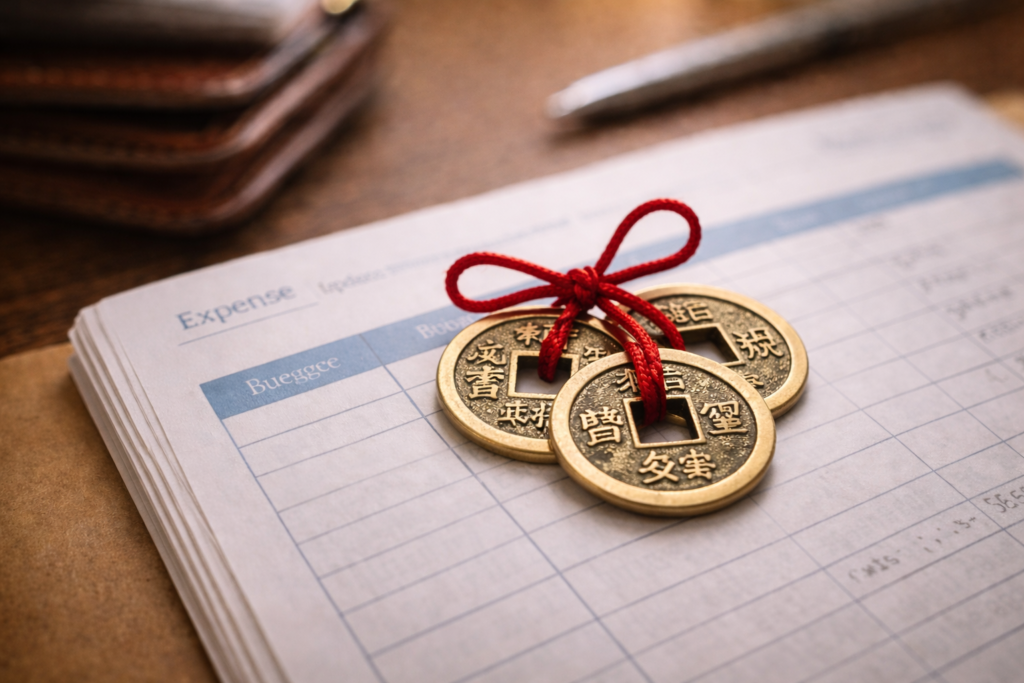
Feng Shui Chinese Coins
Feng Shui Coins (Discipline & Consistency)
Supports money discipline and consistency through subtle visual cues.
Best placed in wallets or work drawers where financial decisions happen.
Simple placement
Inside a wallet or purse
In a desk drawer near work or planning tools
Best kept subtle, not decorative.
Wealth Bowl (Focus Anchor)
A wealth bowl is a visual reminder of order and intention.
It works when:
Placed in low-traffic areas
Kept clean and intentional
Not treated as a display item
High-traffic placement weakens its effect.
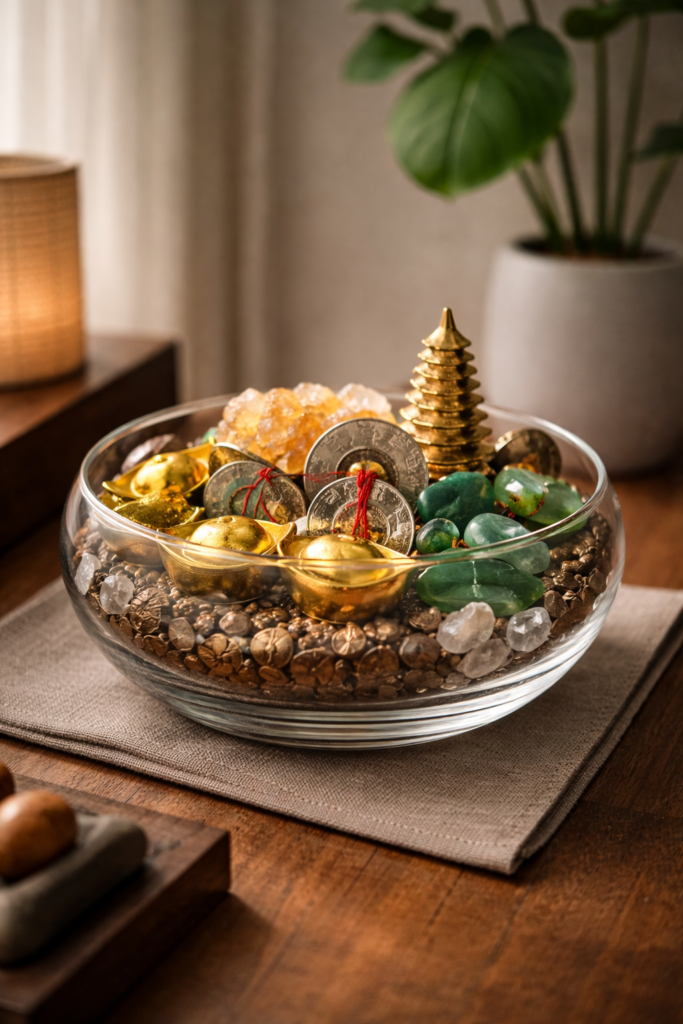
Feng Shui Wealth Bowl (Symbol of Accumulation and Stability)
The Feng Shui Wealth Bowl is a symbolic reminder of accumulation, preparedness, and long-term financial thinking. Traditionally, it represents stored value rather than quick gain.
From a psychological standpoint, visible symbols of abundance reinforce saving behavior, patience, and consistency — traits strongly associated with financial stability.
The Wealth Bowl is often used incorrectly or overfilled without intention.
What goes inside, where it is placed, and how often it is refreshed determine whether it reinforces prosperity — or becomes visual clutter.
Many Indian homes place the money frog incorrectly without realising it.
Here’s a placement-focused guide designed specifically for flats and apartments:
Metal Wind Chimes (Mental Reset)
Metal wind chimes are popular in Indian balconies and entrances.
Their real benefit is auditory reset.
Gentle sound helps the nervous system release tension.
Best used sparingly.
Never near sleeping areas.
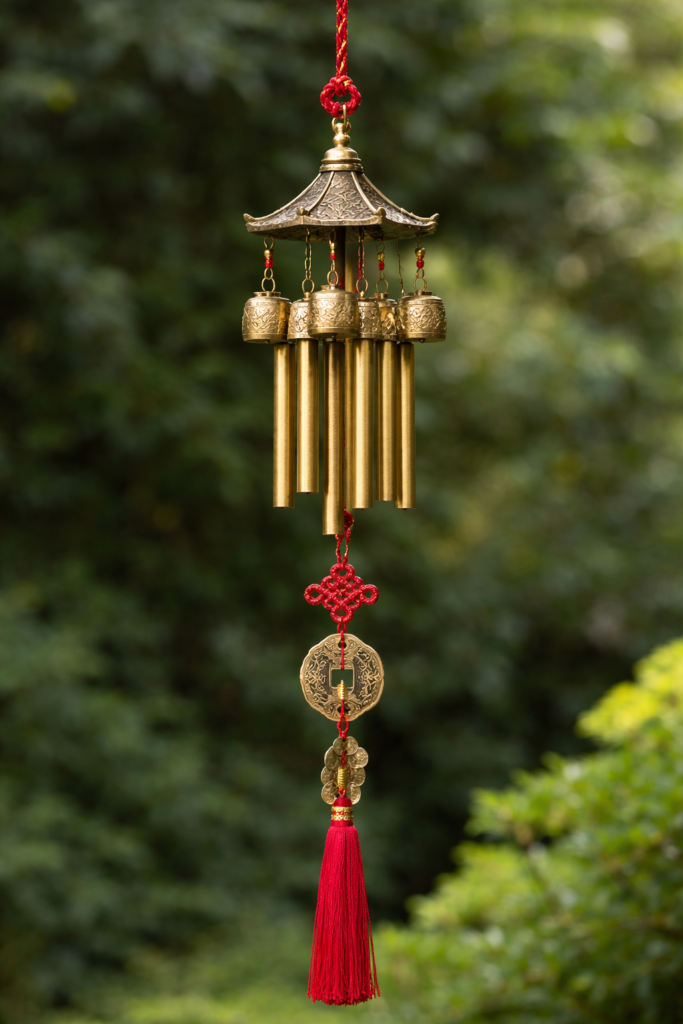
Feng Shui Metal Wind Chimes (6 or 8 Rods)
Metal wind chimes are used to break up stagnant energy and restore movement in areas that feel blocked or heavy. The gentle sound acts as a cue for reset and awareness.
Behaviorally, auditory cues interrupt mental loops and support re-engagement—helping prevent quiet productivity drain.
Plants & Natural Textures (Stress Reduction)
Plants are widely used in Indian homes.
Their benefit is biological, not symbolic.
They reduce stress response and improve mood.
Even artificial plants work if they create calm visuals.
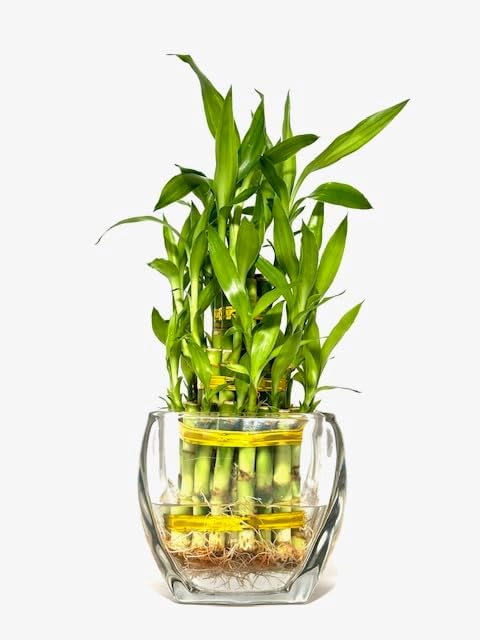
Feng Shui Lucky Bamboo (8 or 9 Stalks)
Lucky Bamboo is commonly used to reinforce steady progress, discipline, and upward momentum in work environments. It acts as a living reminder of consistency rather than urgency.
From a psychological standpoint, plants in workspaces improve attention and reduce mental fatigue, supporting better long-term productivity and follow-through.
Feng Shui for Small Indian Homes & Flats
Most Indian homes are compact.
This means less tolerance for visual overload.
Important rules:
Fewer objects
Clear surfaces
Multi-purpose zones must be visually separated
Use rugs, lighting, or shelves to create mental boundaries.
This helps the brain switch modes—rest, work, recovery.
Common Feng Shui Mistakes in Indian Homes
These mistakes quietly reduce effectiveness:
Mixing too many symbols
Treating Feng Shui as decoration
Ignoring clutter
Copying layouts from large Western homes
Feng Shui must fit Indian realities, not Instagram aesthetics.
Does Feng Shui Really Work in India?
Feng Shui works when applied as environmental psychology, not belief.
It does not override effort.
It does not replace skill.
It supports:
Focus
Emotional regulation
Habit consistency
That is why it quietly improves outcomes.
How to Use This Guide
Do not apply everything at once.
Start with:
Clearing one high-impact zone
Improving lighting and spacing
Adding one supportive symbol only
Observe how your focus and emotional state change.
That is how Feng Shui should be used.
This article focuses on Feng Shui for Indian homes and practical placement.
For the deeper psychology behind how space influences income consistency, discipline, and long-term outcomes, explore the full guide here:
👉 Feng Shui for Wealth & Focus: How Your Space Shapes Money, Work, and Opportunity
Internal Navigation (Next Reads)
Final Thought
Indian homes are busy, emotional, and mentally demanding spaces.
Feng Shui works best in India when it:
Respects daily life
Reduces cognitive overload
Supports calm, consistent action
No superstition required.
Frequently Asked Questions: Feng Shui for Indian Homes
1. Can I use Feng Shui if my house is already built according to Vastu?
Absolutely. Think of Vastu as the “hardware” (the structure and directions) and Feng Shui as the “software” (how you live inside those directions). Feng Shui is highly adaptable and works within your existing Vastu layout to refine the flow of energy and reduce mental stress. They do not contradict; they complement each other.
2. What is the best Feng Shui remedy for a small Indian apartment?
In compact flats, the biggest issue is “Visual Noise.” The best remedy is Vertical Organization and Surface Clearing. By keeping at least 20% of your surfaces empty and using “Grounding Objects” like a Weighted Eye Mask or a Salt Lamp, you can signal safety to your nervous system even when physical space is limited.
3. Where should I place a Laughing Buddha for wealth and career growth?
For the best results in an Indian household, place the Laughing Buddha in the Living Room or the Entrance, ideally facing the main door. This placement is believed to “greet” the energy entering your home. Avoid placing it in the kitchen, bathroom, or on the floor, as this is considered disrespectful in both Feng Shui and Indian culture.
4. How can Feng Shui help with nighttime overthinking and insomnia?
Feng Shui targets the “fight-or-flight” response. By removing mirrors that face the bed and clearing clutter from under the bed (a common habit in Indian homes), you remove “Active Energy.” Adding a Weighted Eye Mask provides the somatic “Deep Touch Pressure” required to ground your body, helping your brain switch from “Analytical Mode” to “Rest Mode.”
5. Do Feng Shui “Money Cures” really attract wealth?
Symbols like Feng Shui coins or Wealth Bowls do not magically create money; they act as Psychological Anchors. When you see these symbols, they reinforce your intention to be disciplined, consistent, and focused on your financial goals. It is the shift in your behavior and mindset—triggered by your environment—that ultimately leads to wealth.
🔔 Affiliate Disclosure
Some links on this page may be affiliate links.
This means if you choose to make a purchase through them, I may earn a small commission — at no extra cost to you.
I only reference products that align with the purpose of this content:
supporting clarity, focus, and intentional space design.
Affiliate links help support the research and maintenance of this site, allowing the content to remain independent, practical, and free from intrusive advertising.
You are never obligated to purchase anything, and all recommendations are optional.
Disclaimer
This article is intended for educational and informational purposes only and is based on general principles of psychology, nervous system regulation, and emotional well-being. It is not a substitute for professional medical advice, diagnosis, or treatment.
Anxiety and emotional distress can have many causes. If symptoms are persistent, severe, or interfere with daily functioning, consult a qualified mental health professional, physician, or licensed therapist.
The content on this site does not provide medical or therapeutic services and should not be interpreted as clinical guidance. Always seek professional support for personal health concerns.